
Woolston Eyes Nature Reserve
An S.S.S.I. Managed by Woolston Eyes Conservation Group
Woolston Eyes Monthly Sightings
2026-11-07
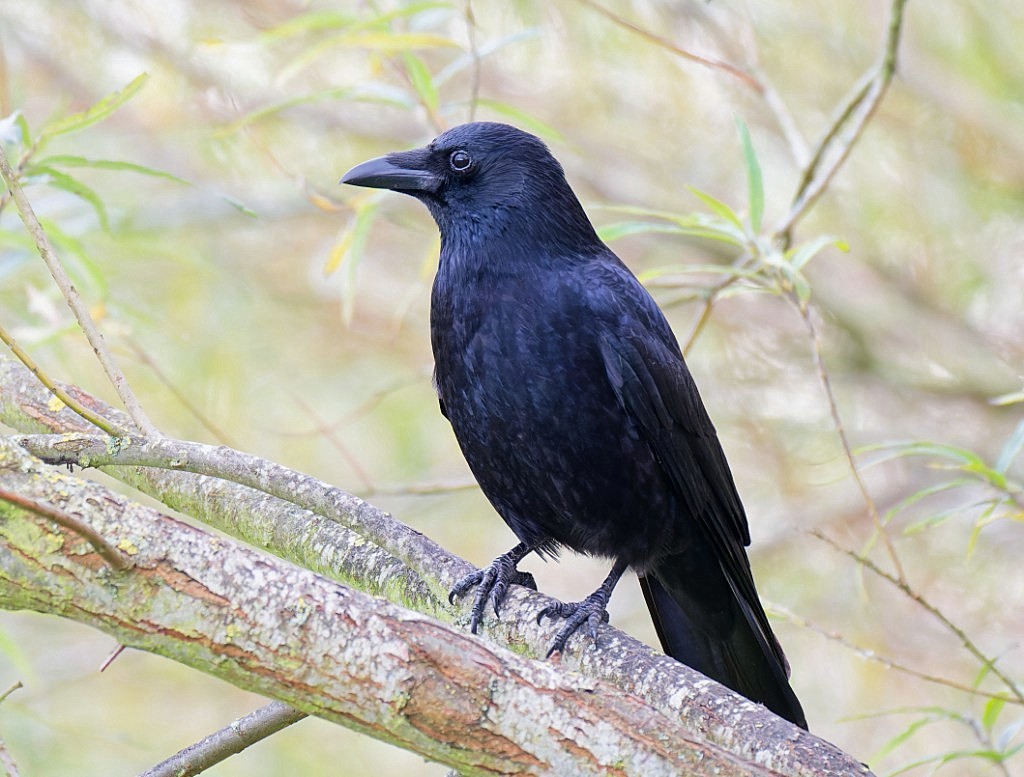
Photo of a Carrion Crow Cheers David
Submitted by: David Bowman
2026-11-07
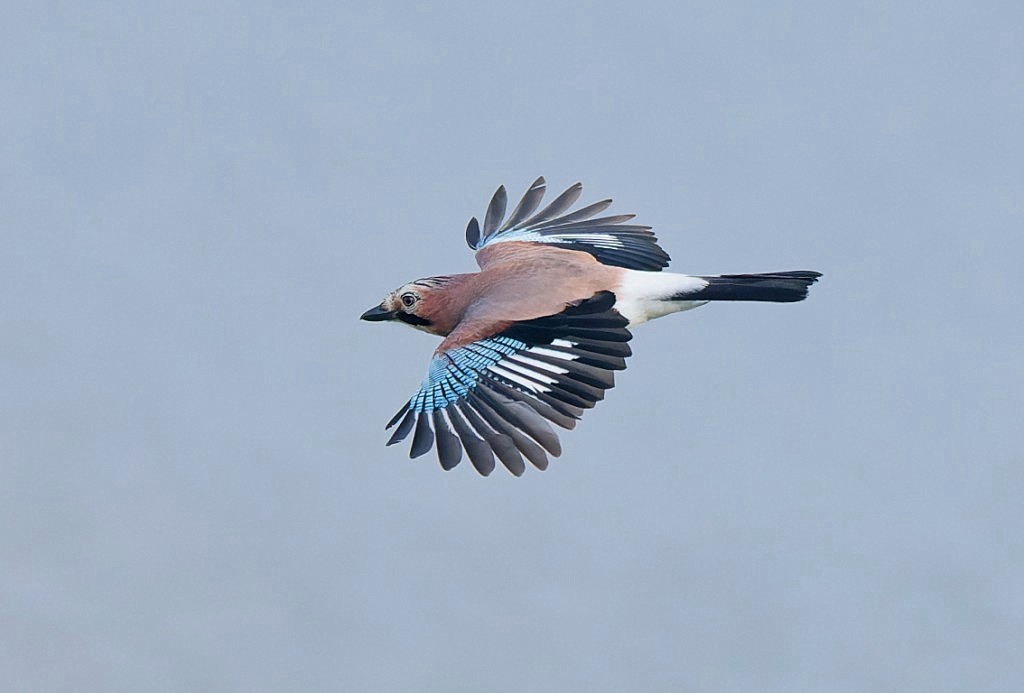
Photo of a Jay Cheers David
Submitted by: David Bowman
2026-11-07
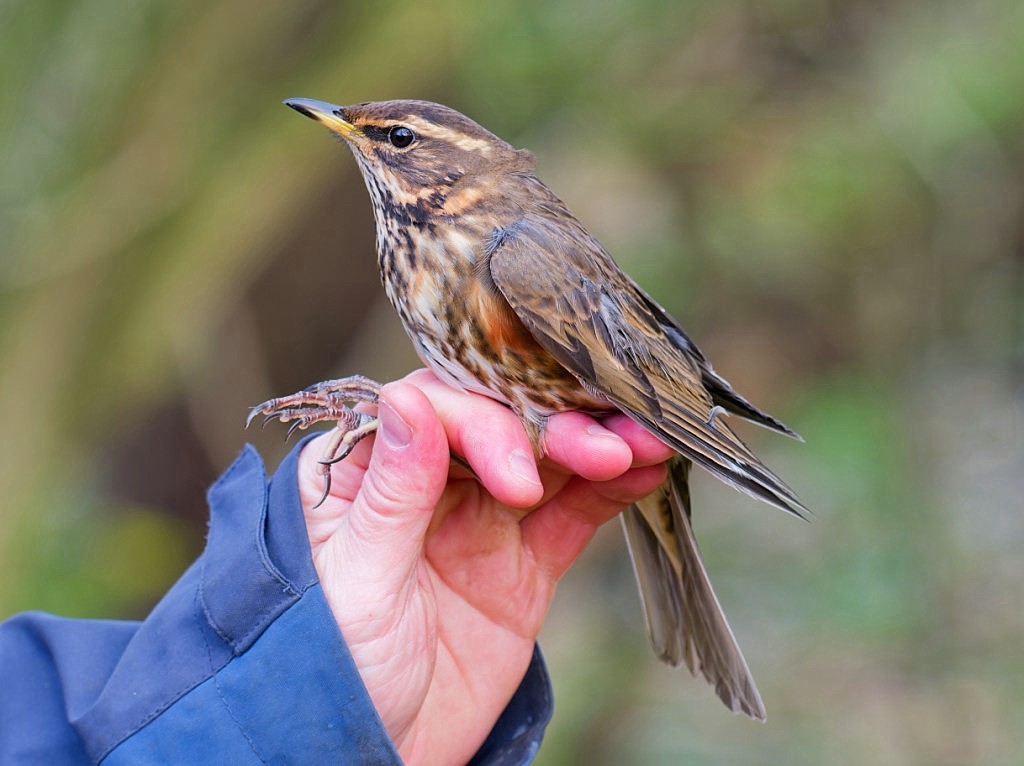
It’s been a good week for both bird movement and mammal viewing. On Monday five Egyptian Geese dropped onto the Morgan Hide scrape, seven Whooper Swans flew over and two Great Egrets were feeding on the bed. The latter seem settled there and were still present this morning. Another ten Whooper Swans landed briefly on No.3 bed on Tuesday, 1,000 Fieldfares and 400 Redwings moved south and a Woodcock was flushed near the Tower Hide. Thursday’s highlight was a Hawfinch which landed in trees on No.4 bed and Friday’s was seeing Ben Secker’s study of Willow Tits on the Reserve take another step forward, when he mist-netted and colour-ringed a new first-year Willow Tit on No.4 bed, along with another which had already been colour-ringed on No.1 bed. The avian variety continued this morning, when I watched a Water Pipit land briefly in front of the Morgan Hide and Kieran Foster’s ringing team caught a Redwing of the coburni race. These large, dark Redwings breed in Iceland and are very scarce locally, compared with the thousands which arrive each year from Scandinavia. Finally, Badgers and Foxes continue to be seen daily, taking advantage of the spilled seed under the Morgan and Hogg Hide feeders. Photo of Redwing of the coburni race. Cheers David Bowman (with Brian Baird)
Submitted by: David Bowman