
Woolston Eyes Nature Reserve
An S.S.S.I. Managed by Woolston Eyes Conservation Group
Woolston Eyes Monthly Sightings
2026-10-31
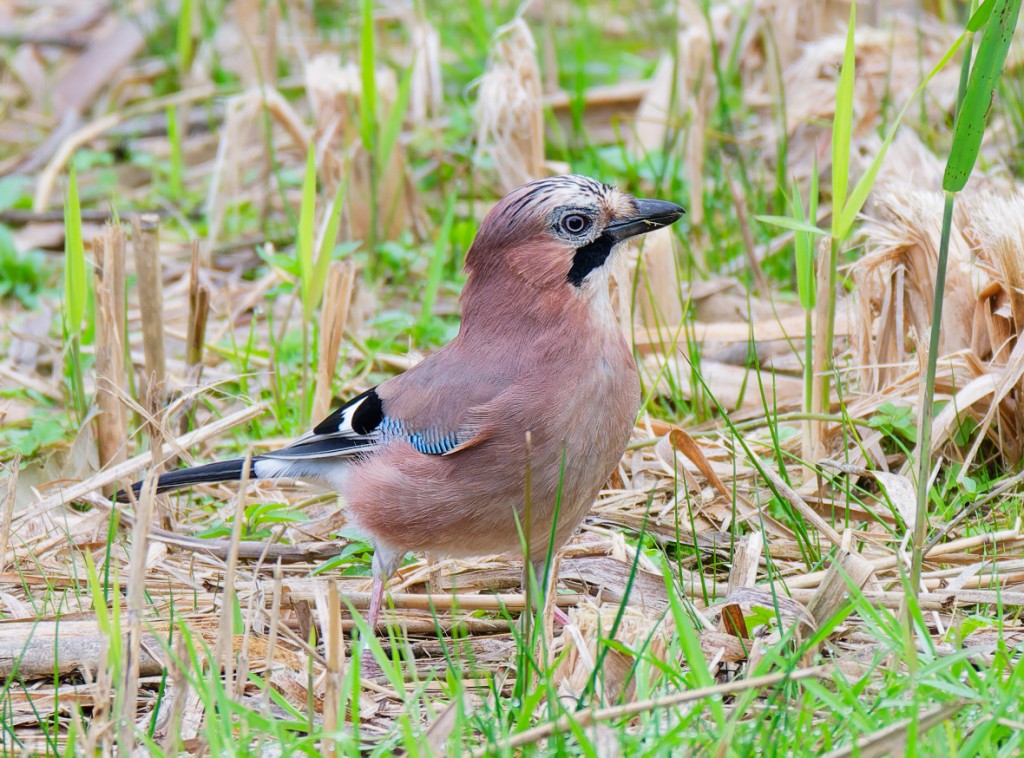
Photo of a Jay. Cheers David
Submitted by: David Bowman
2026-10-31
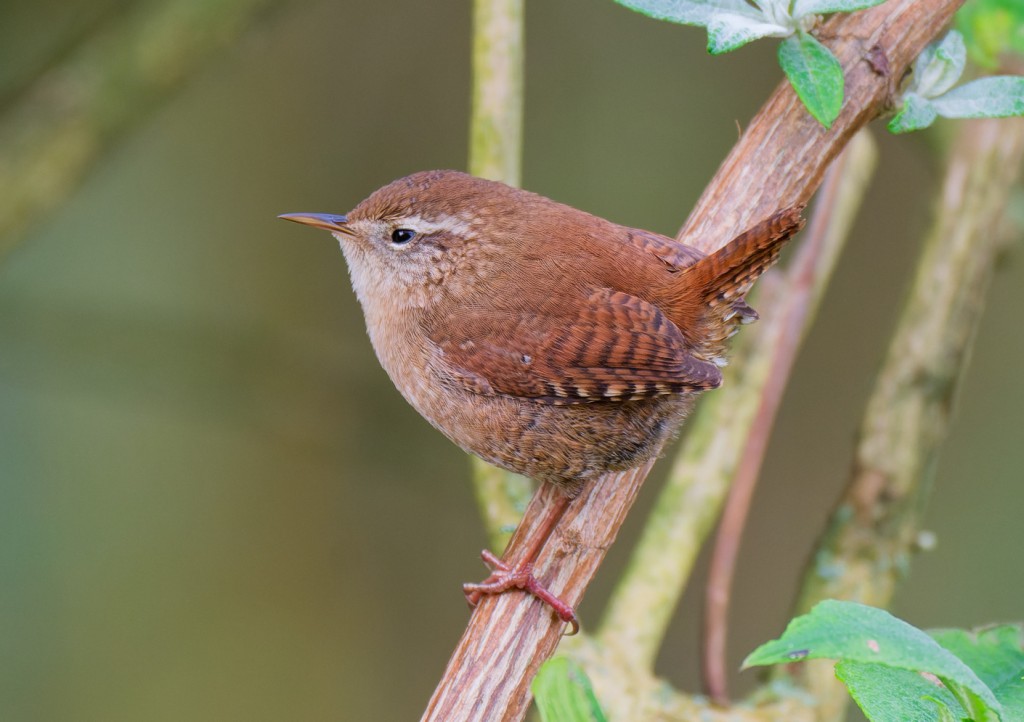
Photo of a Wren Cheers David
Submitted by: David Bowman
2026-10-31
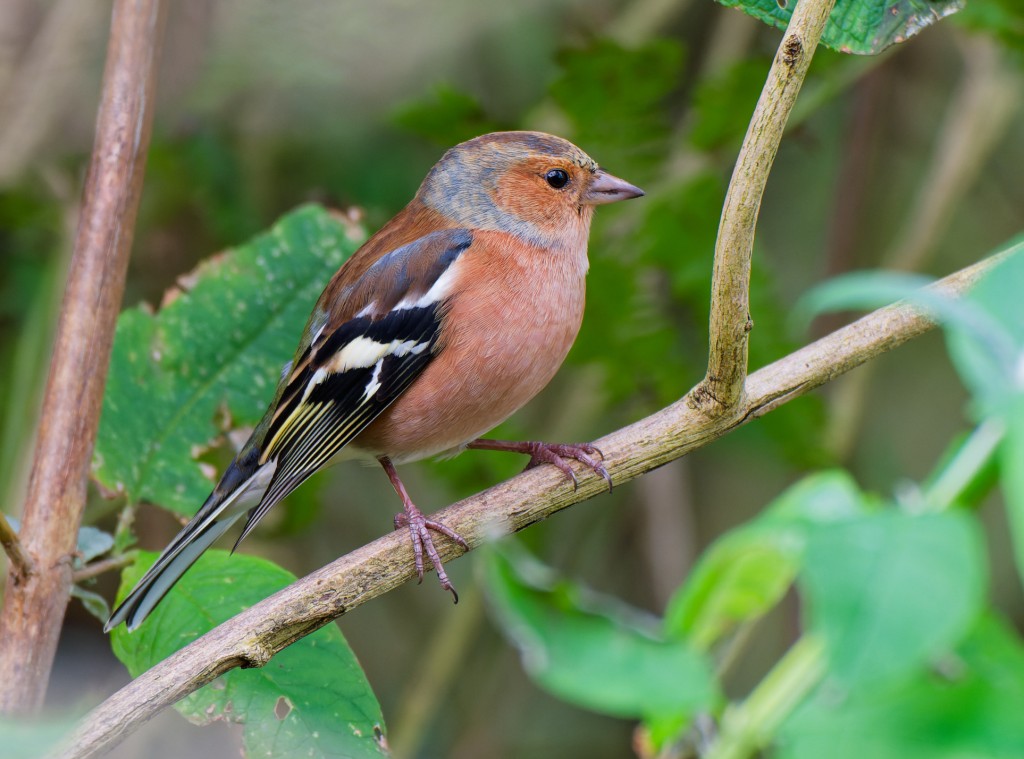
Photo of a male Chaffinch Cheers David
Submitted by: David Bowman
2026-10-31
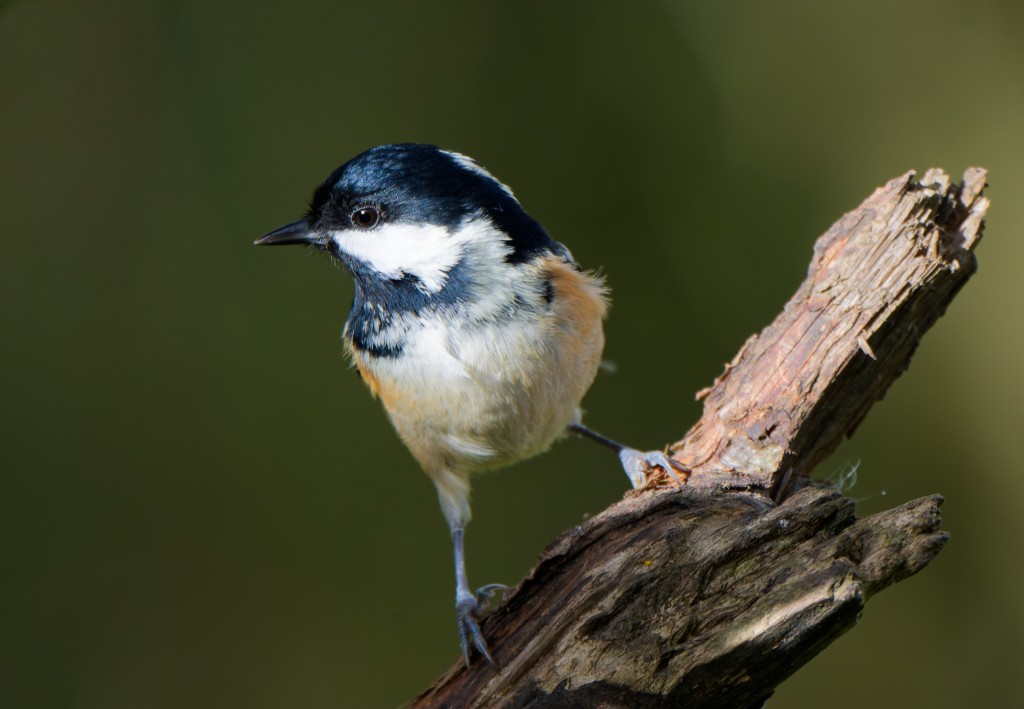
Photo of a Coal Tit. Cheers David
Submitted by: David Bowman
2026-10-31
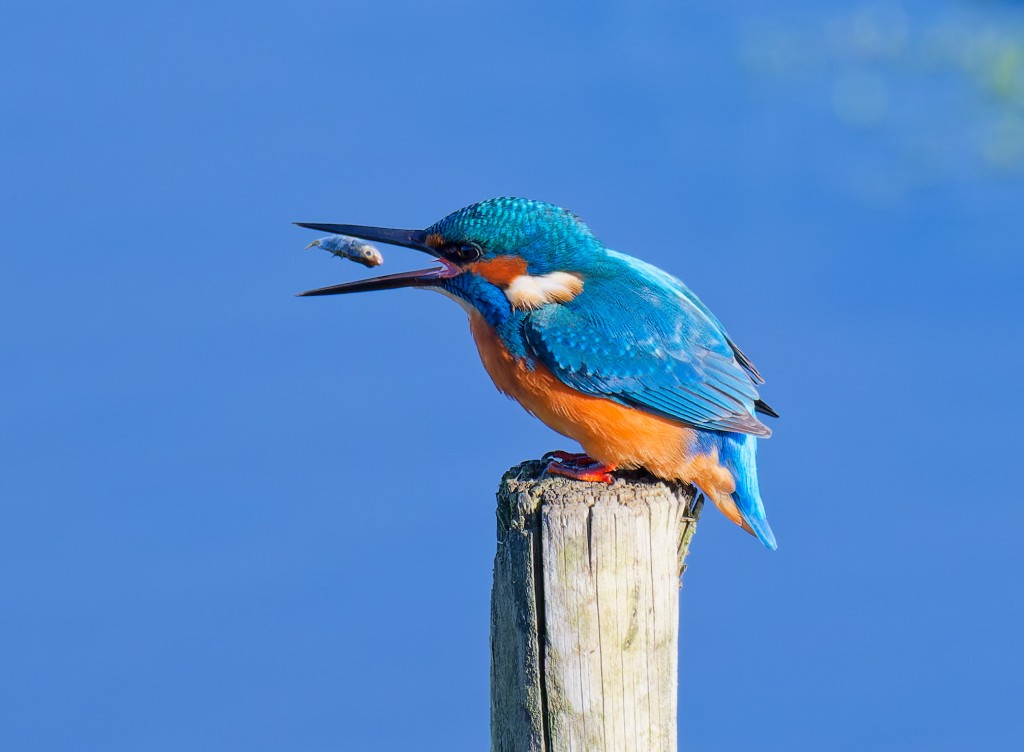
Photo of a Kingfisher Cheers David
Submitted by: David Bowman
2026-10-31
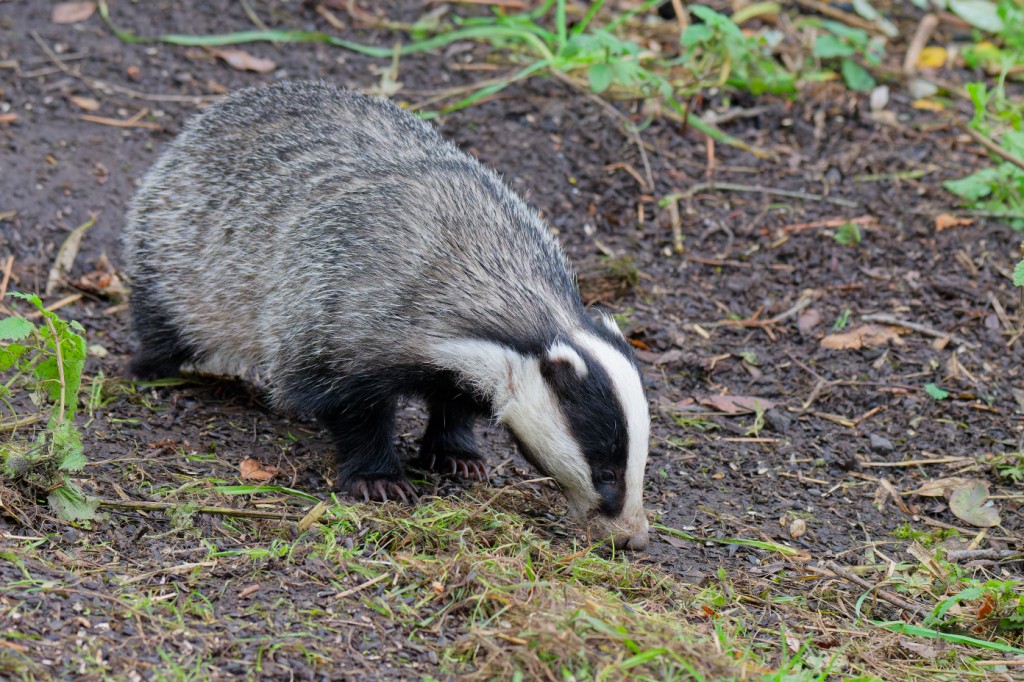
These late autumn days at Woolston Eyes are characterised by both birds and mammals making the most of the masses of fruits and berries around the beds, ahead of whatever winter might hold. Migrant thrushes continue to pass over in moderate numbers, with 370 Redwings and 65 Fieldfares on Thursday and another 45 Fieldfares over No.3 bed this morning, with plenty of Blackbirds and Song Thrushes also feeding voraciously around the bed. Finch numbers are starting to build up, too, particularly now that we’ve started stocking the feeding stations again, with 60 Greenfinches, 20 Lesser Redpolls and 20 Chaffinches noted. It’s also the time to keep an eye out for Woodpigeon movements and the 3,650 noted flying south at altitude on Thursday were probably heading for the brassica fields of southern England, though some may continue on across the English Channel. The seasonally lower water levels also attract feeding Herons, Egrets and Cormorants, and 2 Great Egrets and a Little Egret were present this morning. If you enjoy mammal watching, now is the time to get yourself down to No.3 bed, where Badgers, Foxes and Weasels are active in the daytime. For the past week a young Fox and and Badger have been keeping each other company, visiting the Hogg Hide and Morgan Hide feeding stations, in the middle of the day, to hoover up the fallen seed. While the Fox is slightly wary, the Badger is totally unconcerned by the presence of people in the hides and you couldn’t wish for better views. Photo of a Badger Cheers David Bowman (with Helen Wynn, Brian Baird and John Tymon)
Submitted by: David Bowman
2026-10-27
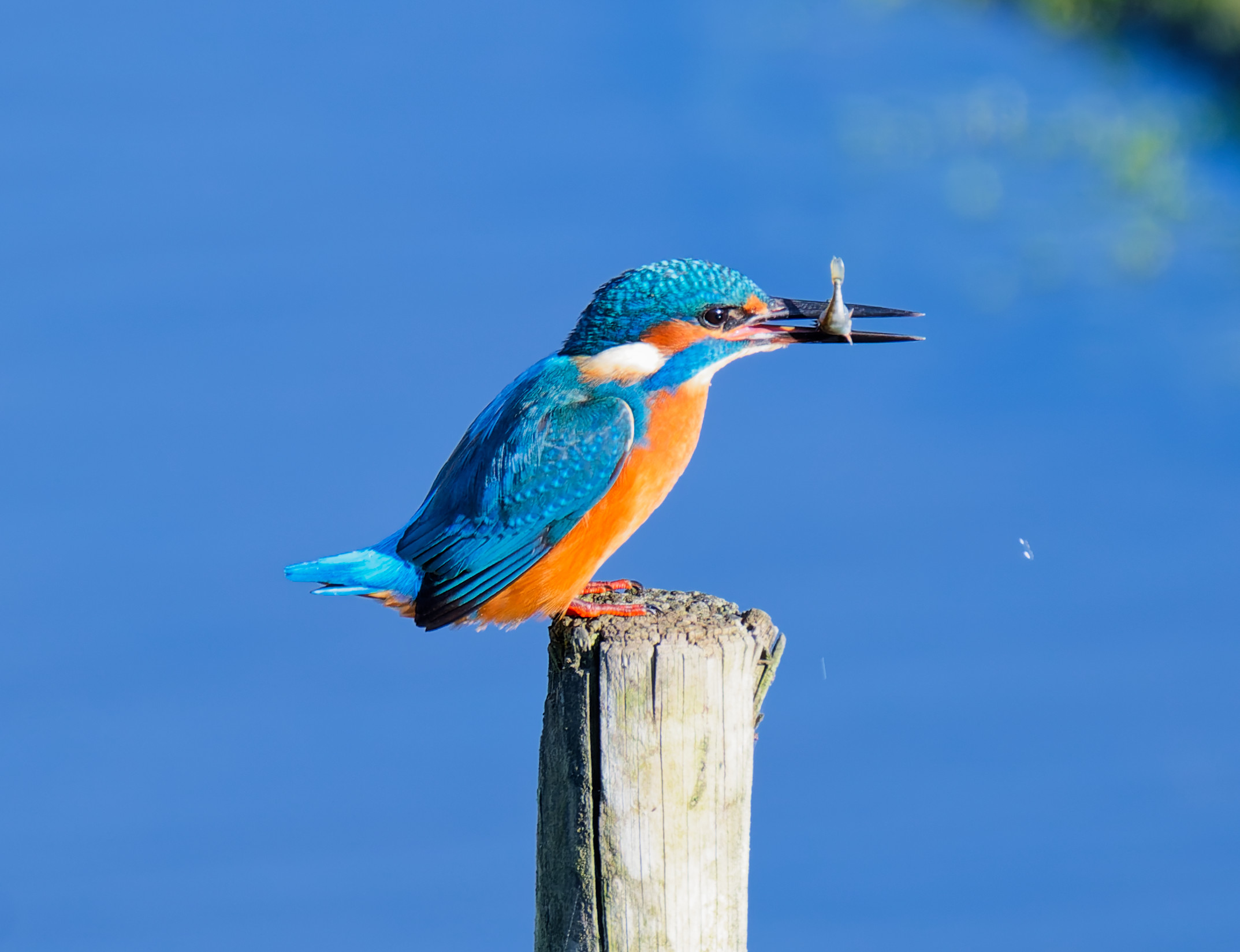
The past couple of weeks have produced plenty of interesting sightings as the weather has swung from clear and cold to gale force winds and back again. The 13th saw 2 Red Kites passing low to the north, struggling against a strong headwind, while the 17th produced our heaviest movement of Pink-footed Geese of the autumn, when more than 6,000 moved to feed on stubble fields to the south of the Reserve. The 19th produced a Water Pipit, 1,850 Redwings and several thousand more Pink-feet, while on the following morning a female-type Common Scoter appeared on No.4 bed and small wader, probably a Little Stint, flew through. Saturday’s highlight was of a Long-eared Owl soaring over No.4 bed, a welcome sighting of this once regular breeding species. It was back to plainer fare this morning, with a single Pintail, 2 Black-tailed Godwits, 2 Marsh Harriers, 220 Shovelers and a Kingfisher all showing well from the Morgan HIde on No.3 bed. Photo of a Kingfisher Cheers David Bowman (with Dan Owen)
Submitted by: David Bowman
2026-10-10
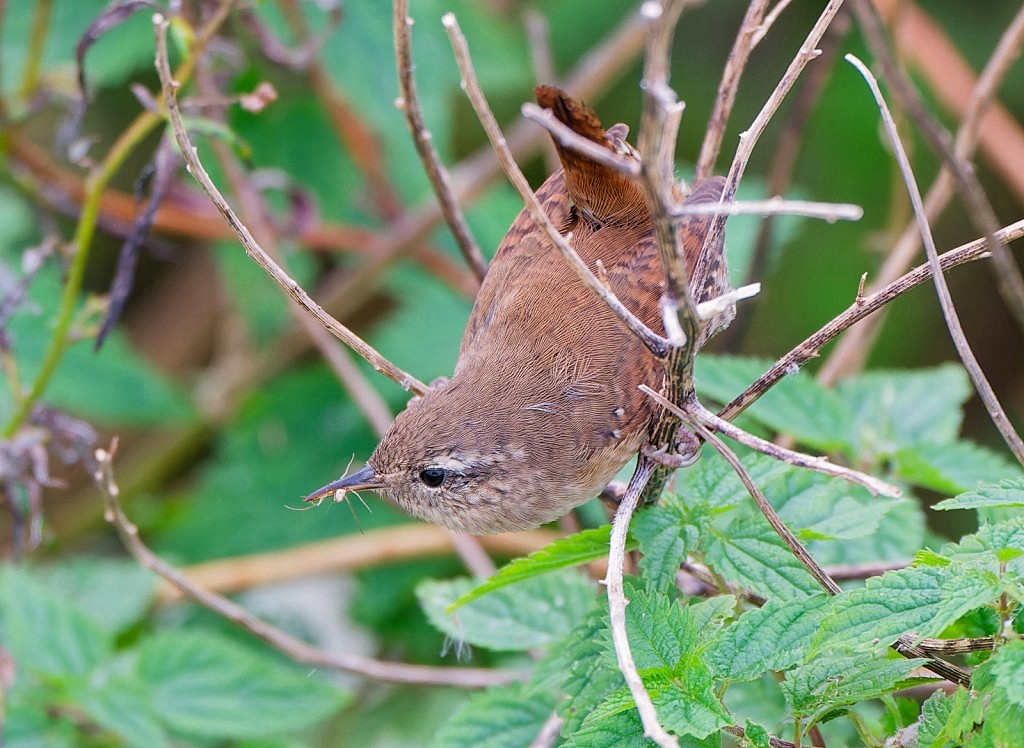
It’s been an interesting week, with the southward migration picking up pace and the weather starting to feel properly autumnal. Thursday saw 13 Whooper Swans over No.4 bed, along with a passing Ruddy Shelduck which was in company with Pink-footed Geese. This was just the fourth record of the species at Woolston and though they are currently classified as escapes, that status is currently under review and we may one day see them added to our official list. Redwings have been passing through all week in small numbers and Thursday saw the first few Fieldfares and Bramblings, too. This morning was the monthly Wetland Birds Survey (WeBS) and despite the blustery and showery conditions our collective efforts produced some decent counts of our water-birds. In addition it was the best morning so far for thrush passage, with nearly 1,200 Redwings counted between the showers. Highlights, though, were the discovery of a Great Crested Grebe with small young on its back - surely our latest ever breeding record - and Dan Owen’s sighting of a Yellow-browed Warbler on No.4 bed. These delicate little warblers breed in Siberia and winter in south-east Asia, though a small but increasing number stray to the UK every autumn, peaking in October and we now expect to see them most years. Photo of a Wren Cheers David Bowman (with Dan Owen, David Spencer, Brian Baird and Brian Martin)
Submitted by: David Bowman
2026-10-04
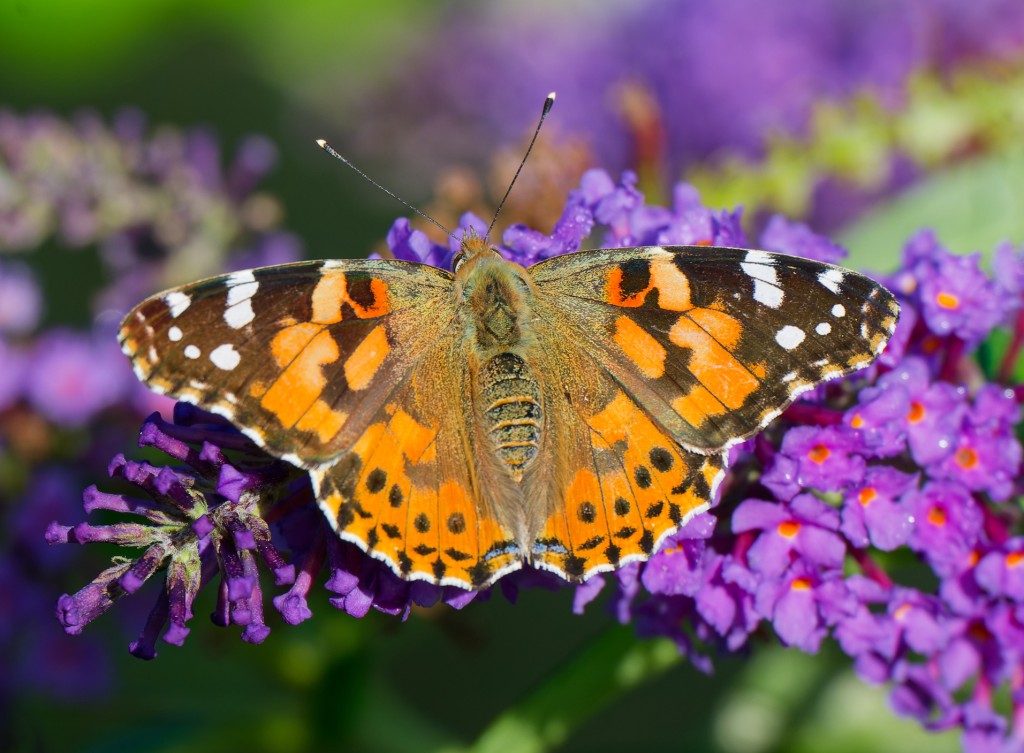
After being away for a couple of weeks, it was good to be back yesterday, undertaking a visible migration session No.1 bed. While it was on the cool side at dawn, the day slowly warmed and the combination of clear skies and a light westerly breeze was promising. In the event, southward passage was relatively light, though it did produce a couple of sightings of species which are hard to find on the Reserve, a single Golden Plover and three Tree Sparrows. It was also good to see our first Jack Snipe of the autumn drop in. Other counts included: 160 Pink-footed Geese, 2 Common Snipe, 21 Stock Doves, 1,020 Woodpigeons, 19 Jays, 41 Skylarks, 3 Swallows, 4 Grey Wagtails, 146 Meadow Pipits, 3 Siskins and 1 Yellowhammer. We rounded off the morning by looking for butterflies and were pleased to find a late Clouded Yellow, 3 pristine Painted Ladies and 6 Red Admirals.
Photo of a Painted lady
Cheers David Bowman (with Dan Owen and Helen Wynn)
Submitted by: David Bowman