
Woolston Eyes Nature Reserve
An S.S.S.I. Managed by Woolston Eyes Conservation Group
Woolston Eyes Monthly Sightings
2026-04-30
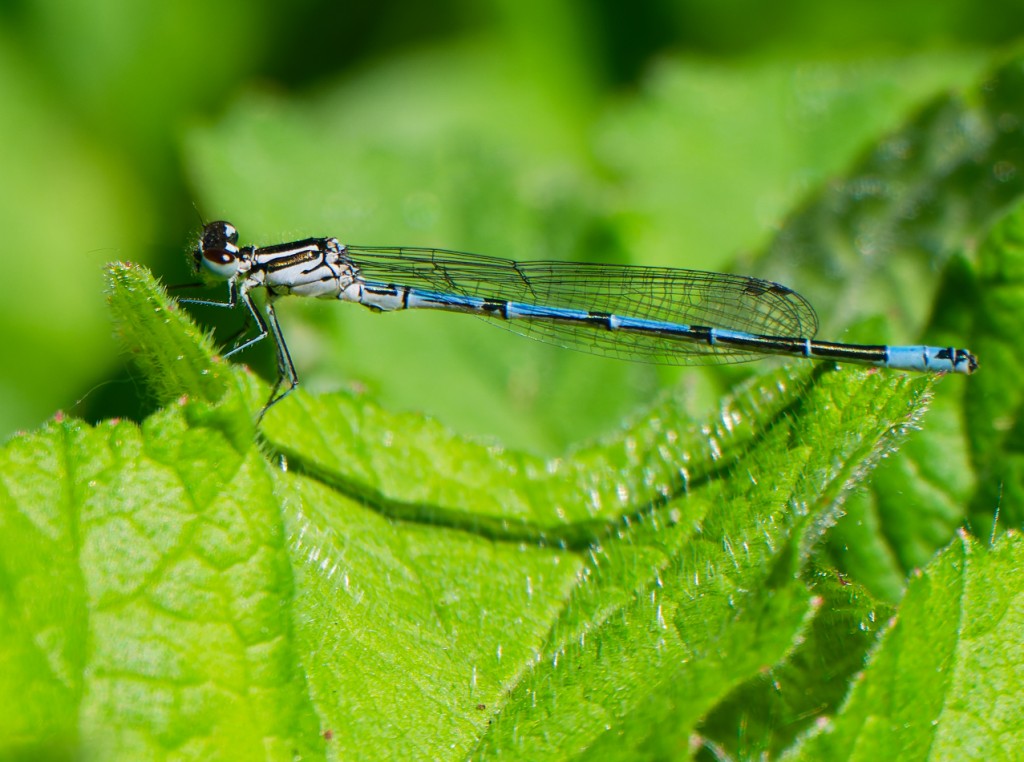
Photo of a Blue-tailed Damselfly Cheers David
Submitted by: David Bowman
2026-04-30
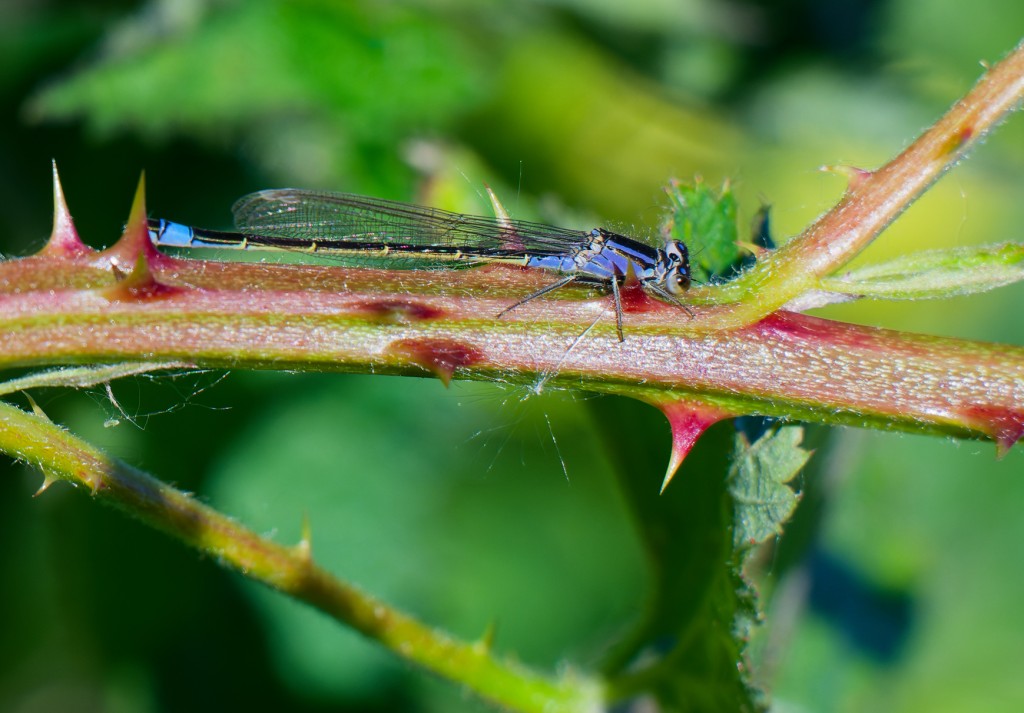
Photo of a Blue-tailed Damselfly of the form violacea. Cheers David
Submitted by: David Bowman
2026-04-30
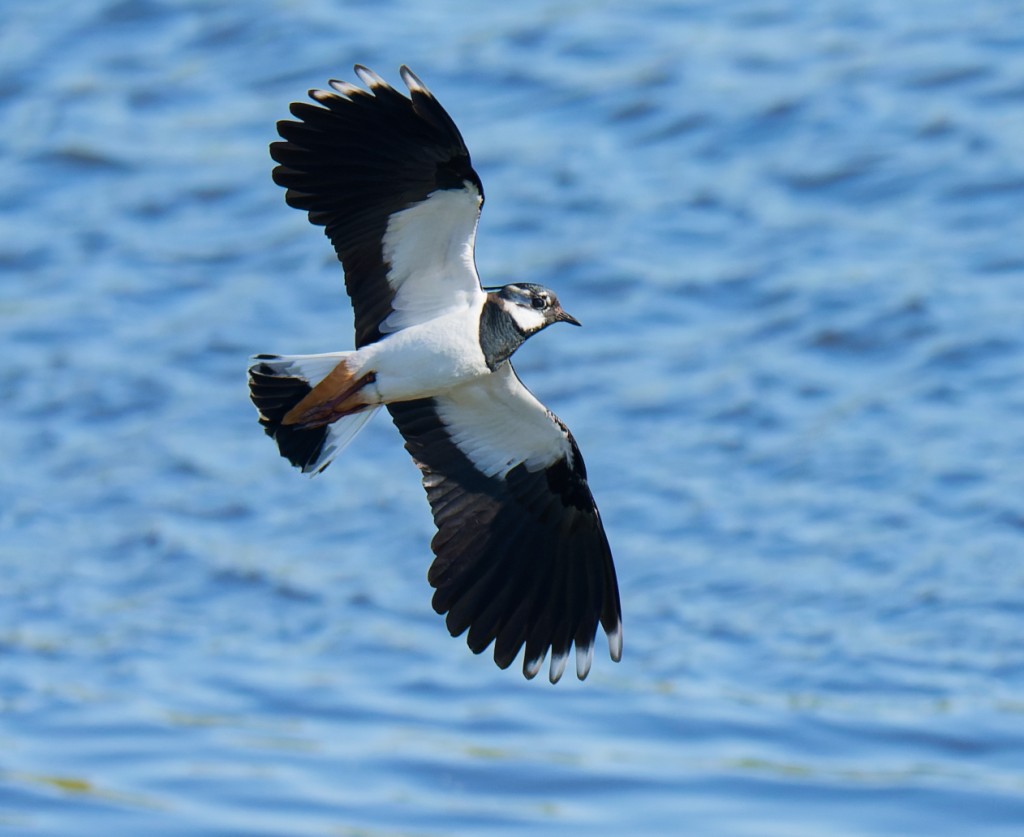
Photo of a displaying Lapwing Cheers David
Submitted by: David Bowman
2026-04-30
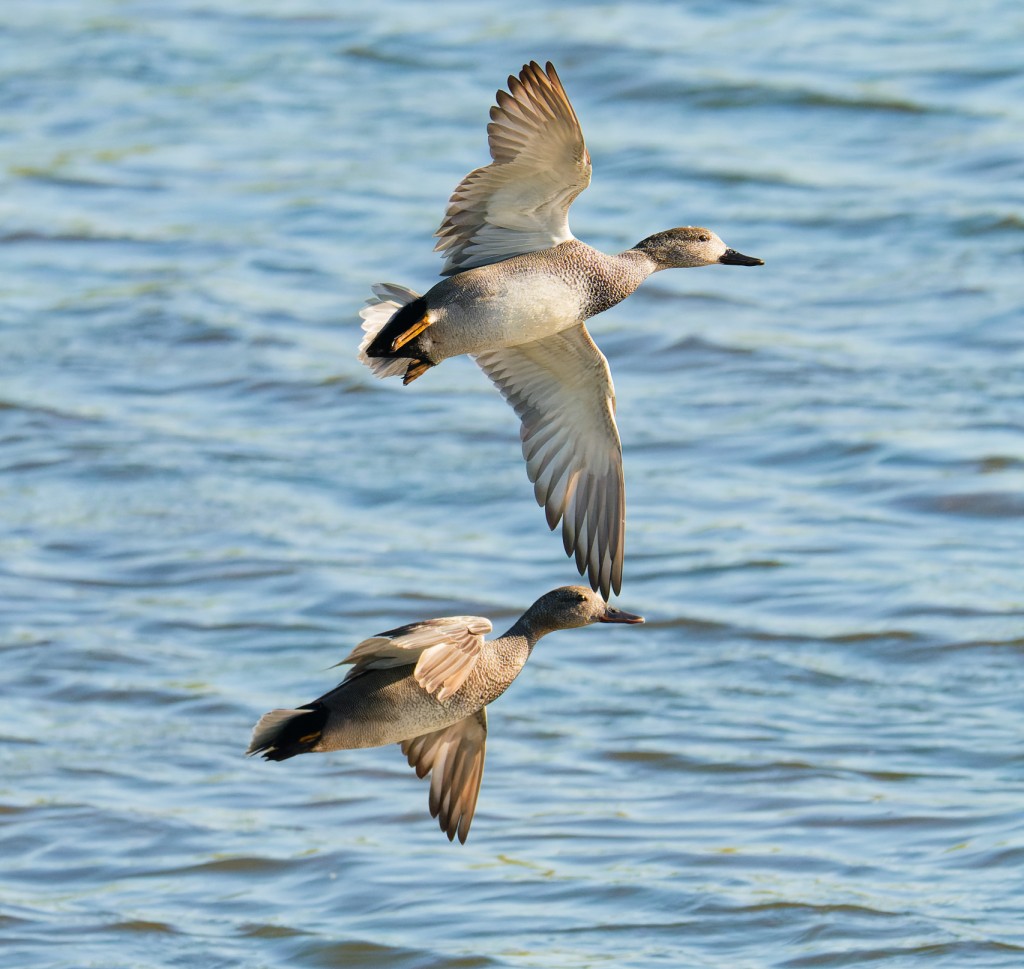
Photo of a pair of Gadwall Cheers David
Submitted by: David Bowman
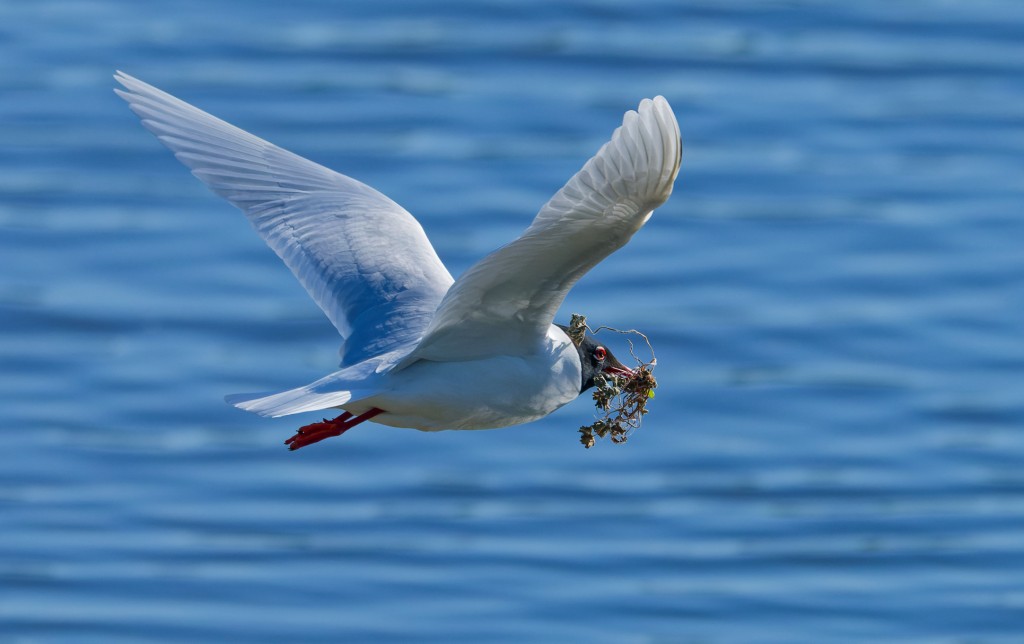
2026-04-30
Photo of a Mediterranean Gull carrying nest material. Cheers David
Submitted by: David Bowman
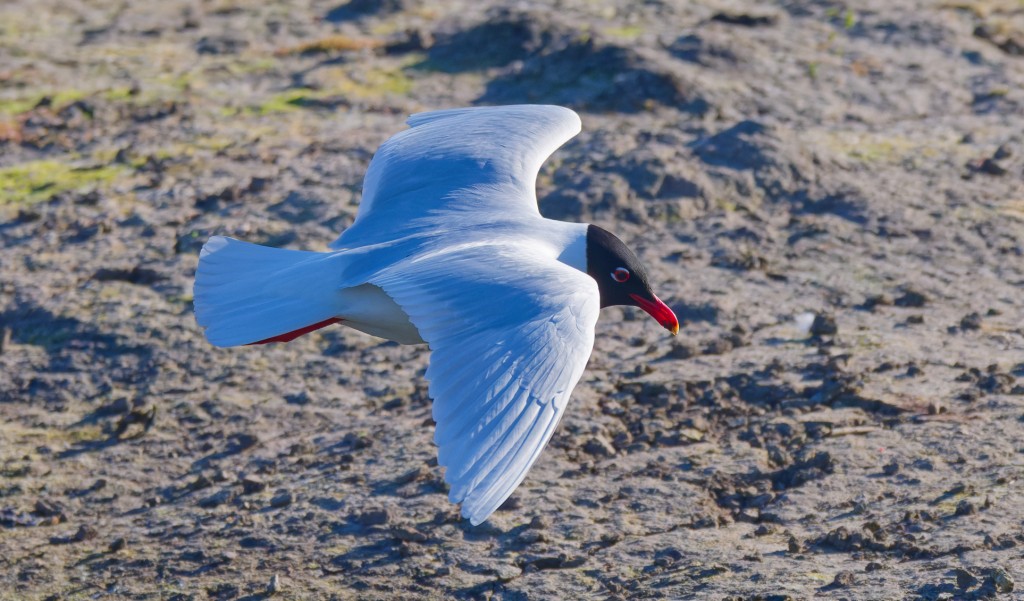
2026-04-30
Although the continued easterlies didn’t produce much visible passage this morning, Dan Owen’s introduction of static sound recorders on each of the beds is starting to pay dividends. Analysis from them showed that 2 Avocets were present on No.3 bed on Tuesday night and a Wood Sandpiper on No.4 bed last night, both additions to our year list. Incidentally, on Tuesday I forgot to mention the spectacular flock of 100 Swifts which dropped onto No.3 bed just as I was leaving, which is early for such a large arrival. Highlights from today included a female Pintail, 2 Common Sandpipers, 70 Swifts and 5 Mediterranean Gulls. Two of the latter are still on a nest in No.3 bed and the rate at which they were ferrying in fresh greenery to line the nest gives continued cause for optimism. Equally, our Marsh Harriers continue to intrigue, with the male observed doing a nest change-over with females on both Beds 3 and 4. An experienced male can provision two nesting females, so fingers crossed for a double success. We finished the morning with an early dragonfly survey on both beds, finishing with totals of: 1 Four-spotted Chaser, 1 Broad-bodied Chaser, 1 Large Red Damselfly, 3 Blue-tailed Damselflies and 40 Azure Damselflies.
Photo of a Mediterranean Gull
Cheers David Bowman (with Dan Owen and Brian Baird)
Submitted by: David Bowman
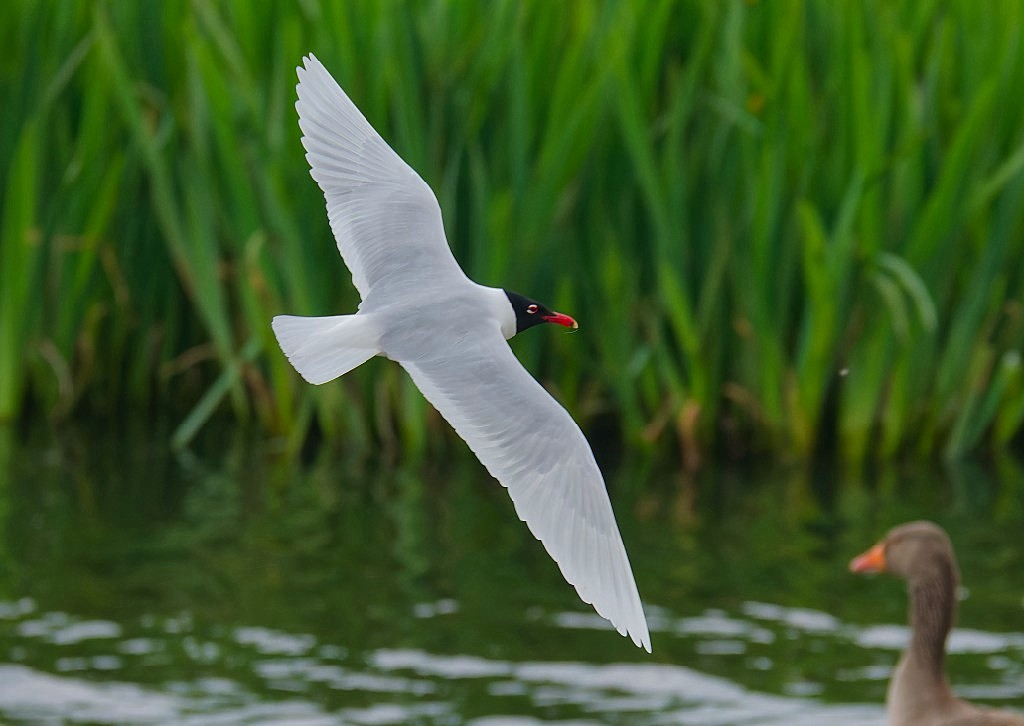
2026-04-28
With a fresh easterly and overcast skies this morning, it was one eye on the skies for incoming migrants and the other on the progress of our breeding birds. It started reasonably well on No.4 bed, with Cuckoo, Grasshopper Warbler, Common Sandpiper, 4 Swallows, 150 Sand Martins and 27 Black-necked Grebes but the pace picked up when we moved onto No.3 bed. Two Arctic Terns, which circled before ploughing on northwards, were followed by a distant Hobby, soaring and stooping away over No.2 bed, no doubt attracted by the many hirundines. As for our two potential additions to the No.3 bed breeding list, the jury is still out. The pair of Mediterranean Gulls remain settled on one of the nest platform. No eggs are yet visible but their behaviour, which included collecting fresh vegetation to line the nest, is encouraging and they robustly discouraged the attentions of three more which arrived to join them. As for our Marsh Harriers, one pair is settled in the eastern half of the Reserve, while the No.3 bed pair have been a daily sight, with a food pass and sticks being carried in to a potential nest site. Interestingly, this morning on No.4 bed, the male from No.3 bed was watched conducting a possible nest change-over with another female. Male Marsh Harriers will sometimes indulge in polygyny, raising young with two or more females, so it’ll be interesting how this turns out. Photo of an adult Mediterranean Gull Cheers David Bowman (with Dan Owen)
Submitted by: David Bowman
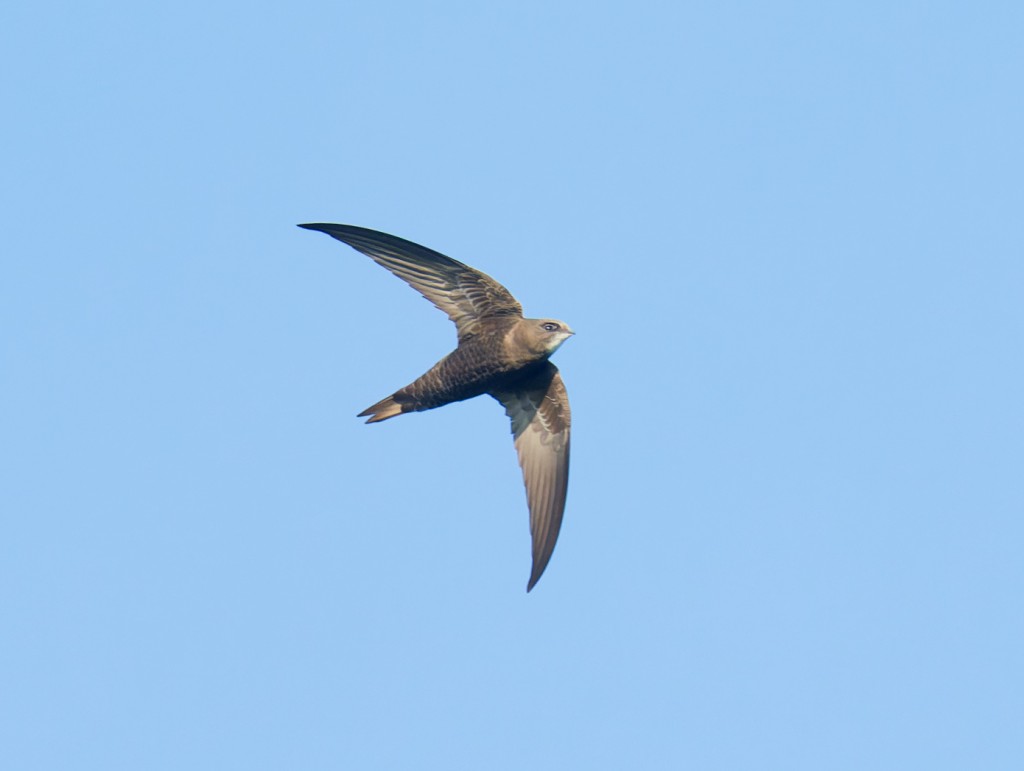
2026-04-23
It was a morning of contrasts at Woolston Eyes, with warm sunshine tempered by a surprisingly cool easterly encountered from elevated positions on the No.4 bed platform and in the Morgan Hide in No.3 bed. Still, we stuck it out to make some solid counts before taking advantage of the warmth at ground level to complete a full butterfly survey of No.3 bed. Birds noted included: 1 Garden Warbler, 3 Little Egrets, 16 Swifts, 80 Sand Martins, 3 Common Snipe and 4 Mediterranean Gulls. The latter still included a pair on a nest on one of the No.3 bed nest platforms and we watched them stealing nest material from their neighbouring Black-headed Gulls. We’ve had hopes raised of adding them to our breeding list several times, but, ever the optimist, I think this could be the year. Same with Marsh Harriers. A pair has bred for a few years elsewhere on the Reserve and we’ve been expecting No.3 bed to deliver a second pair for a while now. They have been nest-building on the bed for a few weeks now and earlier in the week a pair was seen engaging in a food pass. This morning we watched the male bringing in fresh nest material, so hopes again are raised. We just need to check that it isn’t the same pair moving home from the original breeding site! The butterfly count was excellent, by the way, with totals of: 1 Brimstone, 57 Peacocks, 11 Small Tortoiseshells, 22 Orange Tips, 9 Green-veined Whites, 7 Speckled Woods and 1 Small White. Photo of a Swift Cheers David Bowman (with Dan Owen)
Submitted by: David Bowman
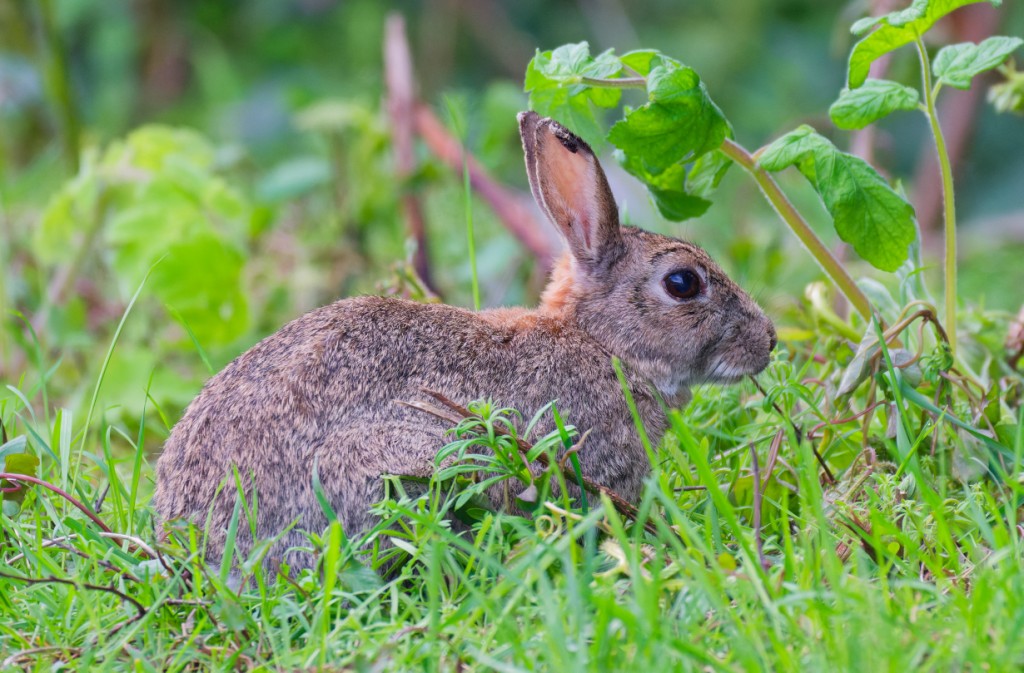
2026-04-21
Photo of a Rabbit Cheers David
Submitted by: David Bowman
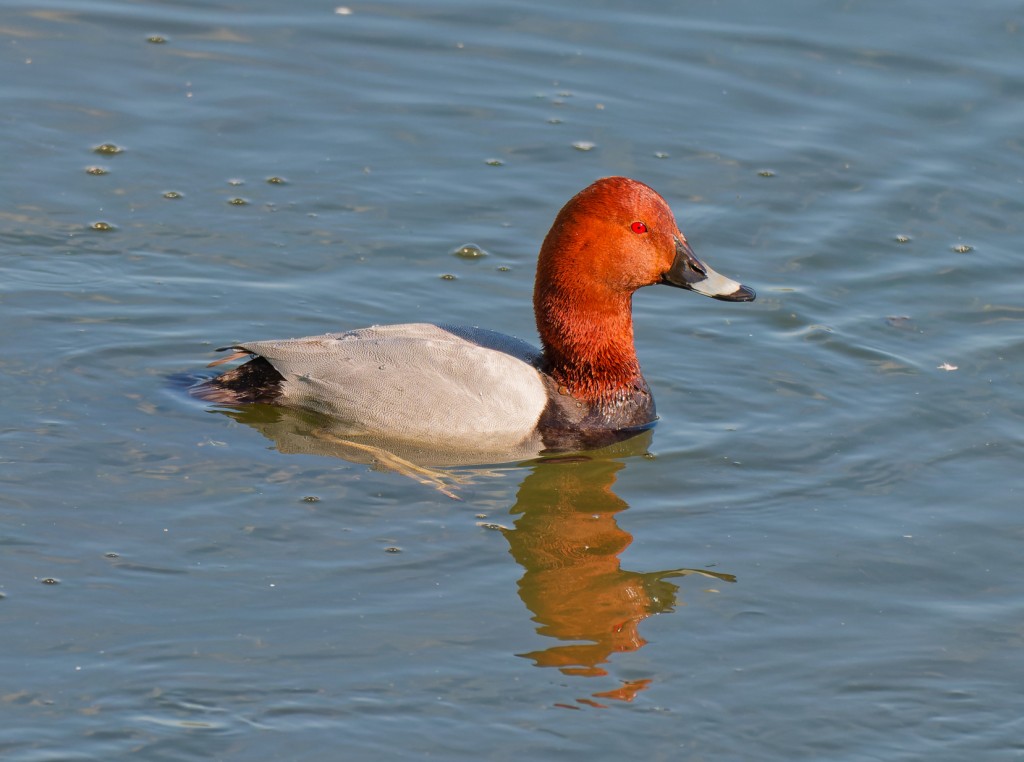
2026-04-21
Photo of a drake Pochard Cheers David
Submitted by: David Bowman
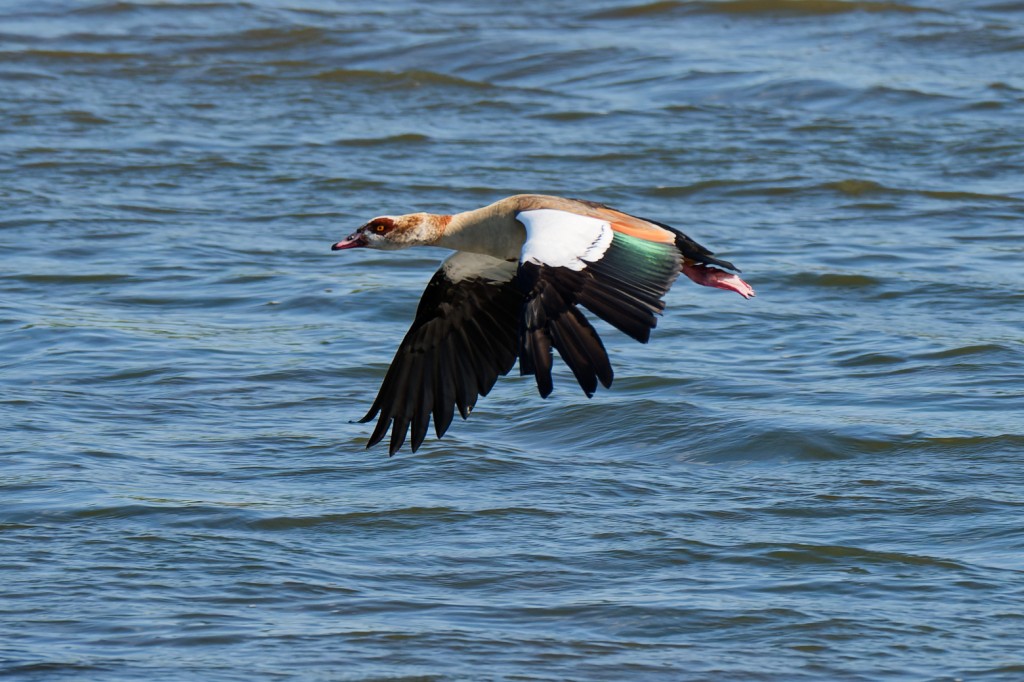
2026-04-21
Photo of an Egyptian Goose Cheers David
Submitted by: David Bowman
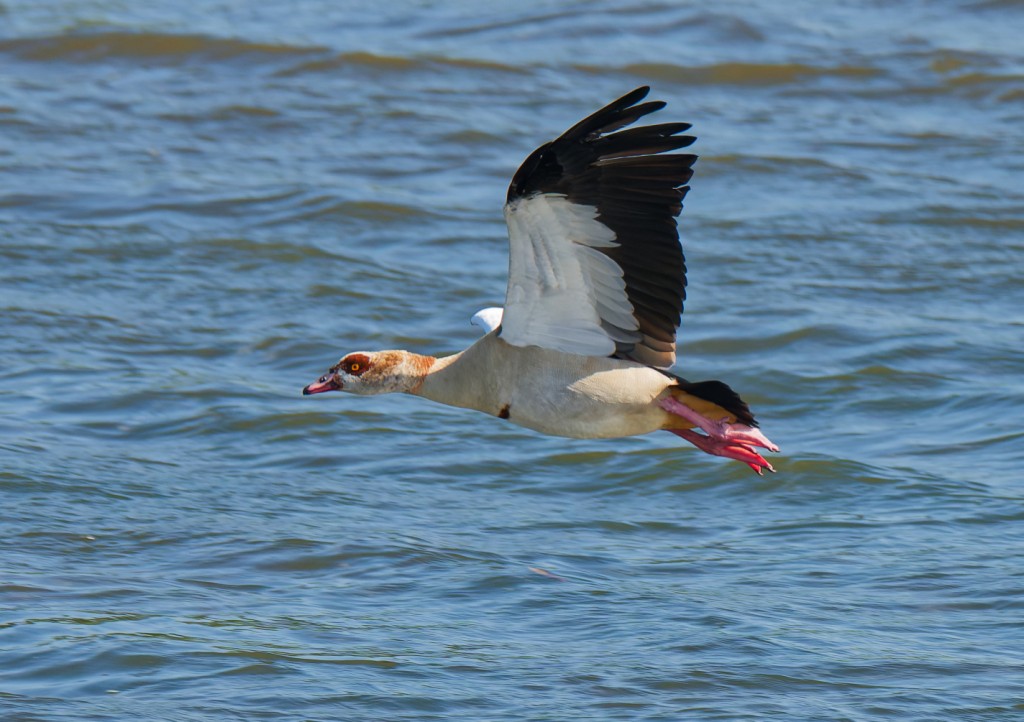
2026-04-21
A very pleasant morning, with blue skies and an easterly breeze, mainly spent introducing Tabitha Wilson, a Community Content Editor for the Warrington Guardian group, to the Reserve. Early on we bumped into Ben Secker, a PhD student, who is studying the decline of Willow Tits in the area. Ben already has two Willow Tit nests under observation and, unhappily, one of them has already been usurped by Blue Tits. Competition for nest sites with other, more aggressive tit species is certainly one of the many factors contributing to the decline of this special little bird. Meanwhile, our Recorder, Dan Owen was making some good counts on No.4 bed, with highlights of: 1 over-flying Crossbill, 20 Swifts, 22 Black-necked Grebes, 2 Mediterranean Gulls, 1 White Wagtail, 1 Little Ringed Plover, 350 Sand Martins, 15 House Martins and 12 Swallows. Later on, the four of us visited No.3 bed, where plenty of Black-necked Grebes were present, the pair of Mediterranean Gulls were still looking settled on their nest, a pair of Marsh Harriers were actively hunting and a single Egyptian Goose dropped in. Photo of the Egyptian Goose Cheers David Bowman (with Dan Owen, Ben Secker and Tabitha Wilson)
Submitted by: David Bowman
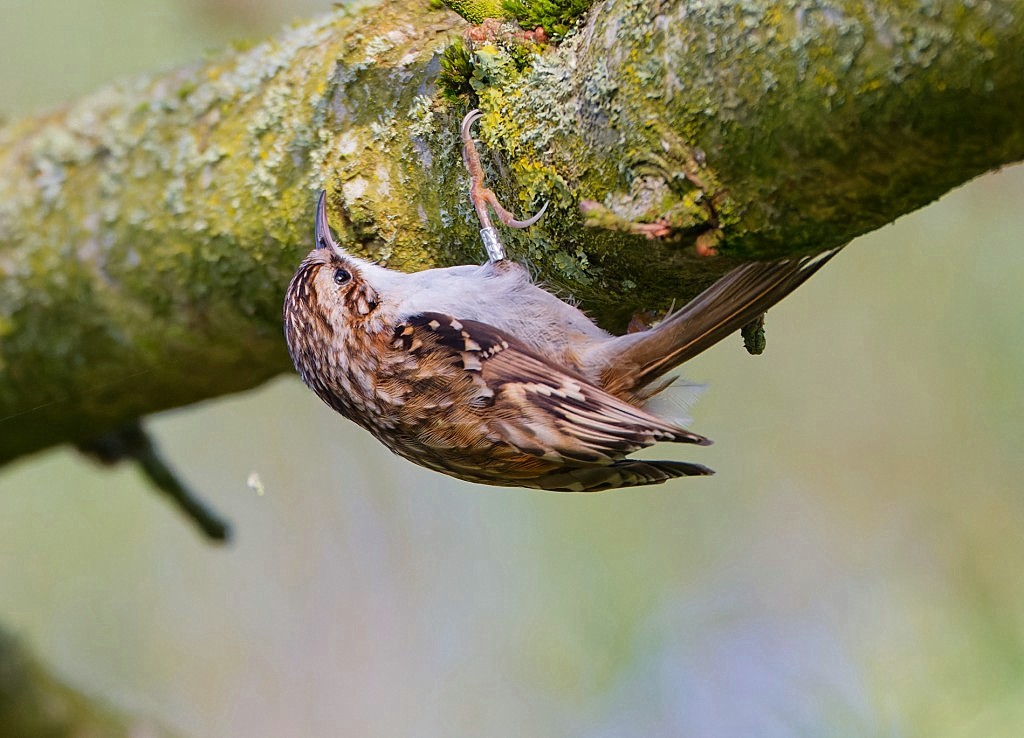
2026-04-18
This morning saw the wardening team at covering the whole Reserve for the monthly Wetland Birds Survey (WeBS). The weather was kind, with sunshine and a cool south-westerly breeze. The hundreds of Sand Martins which were feeding over No.3 bed not long after dawn were undoubtedly the leftovers from a spectacular roost of 10,000 which had formed there on Friday night. After a spring during which our Black-necked Grebes have been elusive on the bed, favouring the east cell of No.4 bed, it was heartening to be greeted by an over-night arrival, with 32 present, including a spectacular group of 24 in front of the Rotary Hide. The pair of Mediterranean Gulls, which have been using one of the nest rafts for the best part of a week, are now on a nest, sustaining hopes of a first successful breeding attempt. It was also pleasing to see a Cuckoo dash across the centre of the bed. Cuckoos once bred on all four beds before becoming a less-than-annual passage visitor as the national population declined. The last few years have seen a slight upward trend with regular spring sightings on the Reserve and, hopefully, one we’ll day see them back on our regular breeding list. Photo of a Treecreeper Cheers David Bowman (with Dan Owen and Brian Baird)
Submitted by: David Bowman
2026-04-14
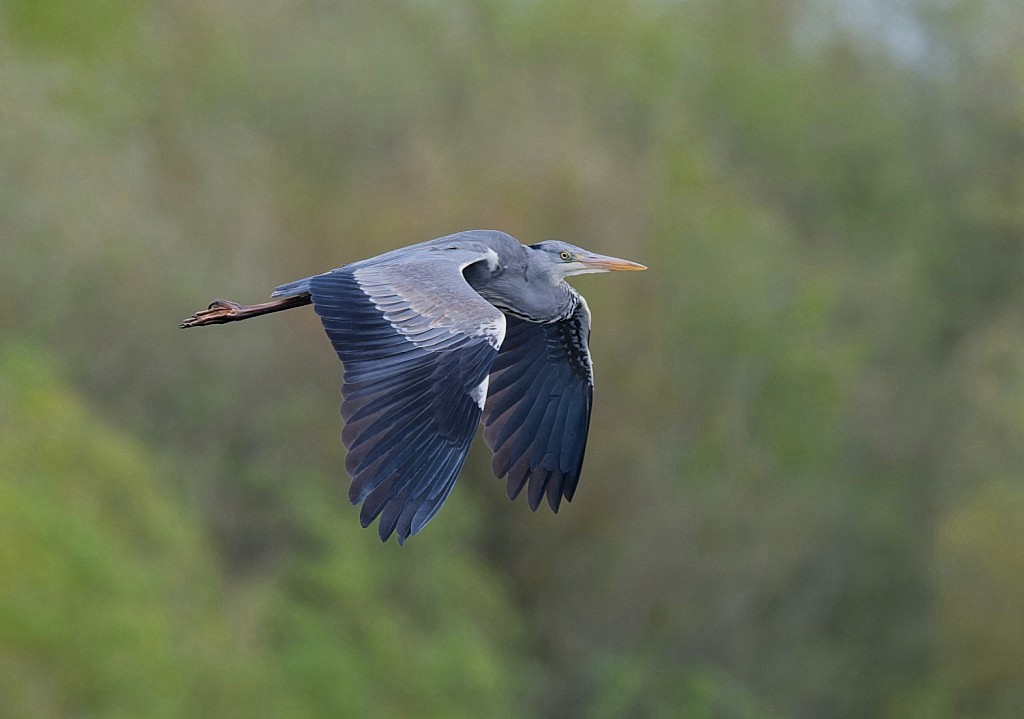
Photo of a Grey Heron Cheers David
Submitted by: David Bowman
2026-04-14
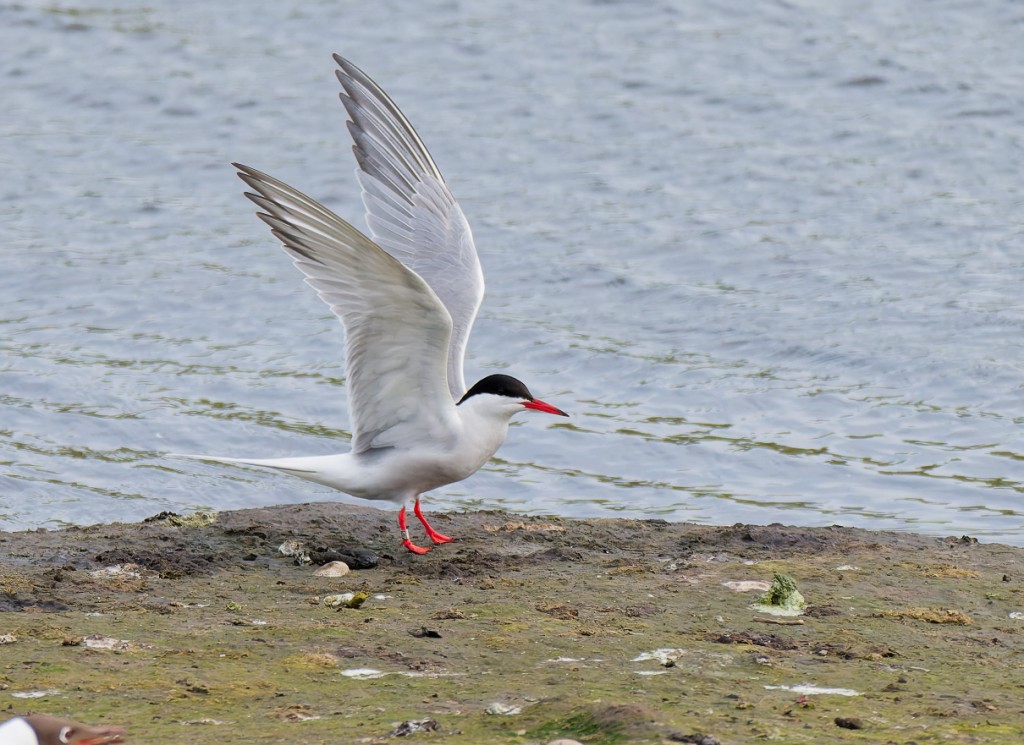
Photo of a Common Tern Cheers
Submitted by: David Bowman
2026-04-14
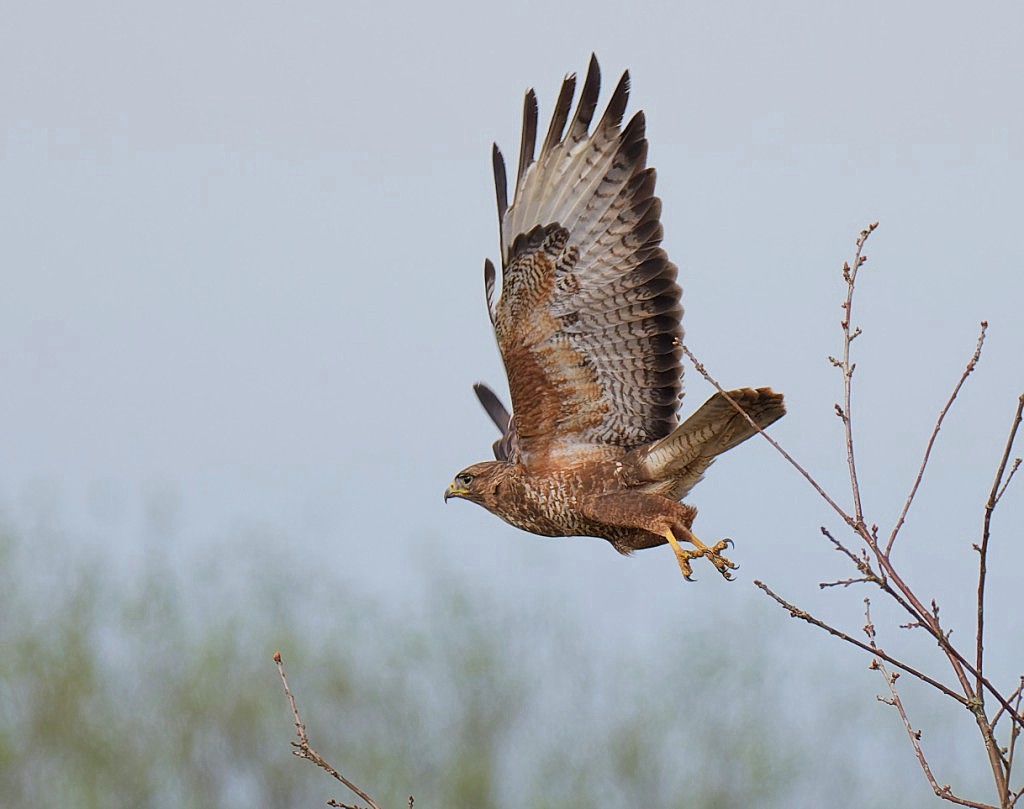
We started the morning with a couple of hour’s vigil from the No.4 bed viewing platform, hoping that the strong cool southerlies would bring some interesting visible passage. In the event, just a couple of hundred Sand Martins and several House Martins and Swallows were all we noted before heading for the comparative warmth of the Morgan Hide on No.3 bed. Here a single Common Tern and four Mediterranean Gulls were the highlights. The latter settled on one of the gull nesting rafts, with one pair behaving as if they might be interested in nesting. We’ve had many false alarms about this in previous years, so hopefully this will be the year when it actually comes to fruition. Speaking of nesting, the regular male Marsh Harrier on the bed continues to industriously build two separate nests, hoping to tempt one of the females to choose one and settle down to breed. It’s a good time, at the moment, to get very close views of the male hunting and he plunged into the reed bed right in front of the Morgan Hide, emerging clutching some kind of rodent - maybe a young Brown Rat? While there have regularly been in excess of 40 Black-necked Grebes on No.4 bed, this morning saw four newly arrived on No.3 bed, with still time for more to come in. Walking off the bed via the North Flower Meadow it was nice to see more than 60 Snake’s Head Fritillaries, along with a profusion of Cowslips. Photo of a Common Buzzrd Cheers David Bowman (with Dan Owen)
Submitted by: David Bowman
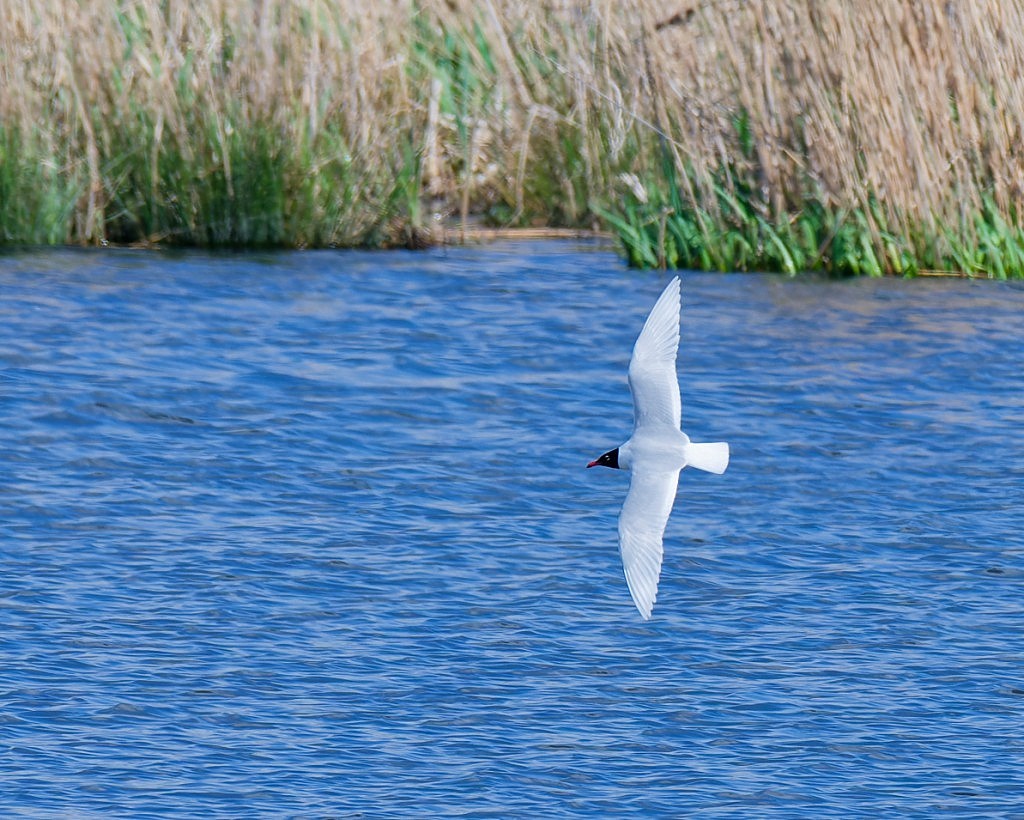
2026-04-12
Photo of an adult Mediterranean Gull Cheers David
Submitted by: David Bowman
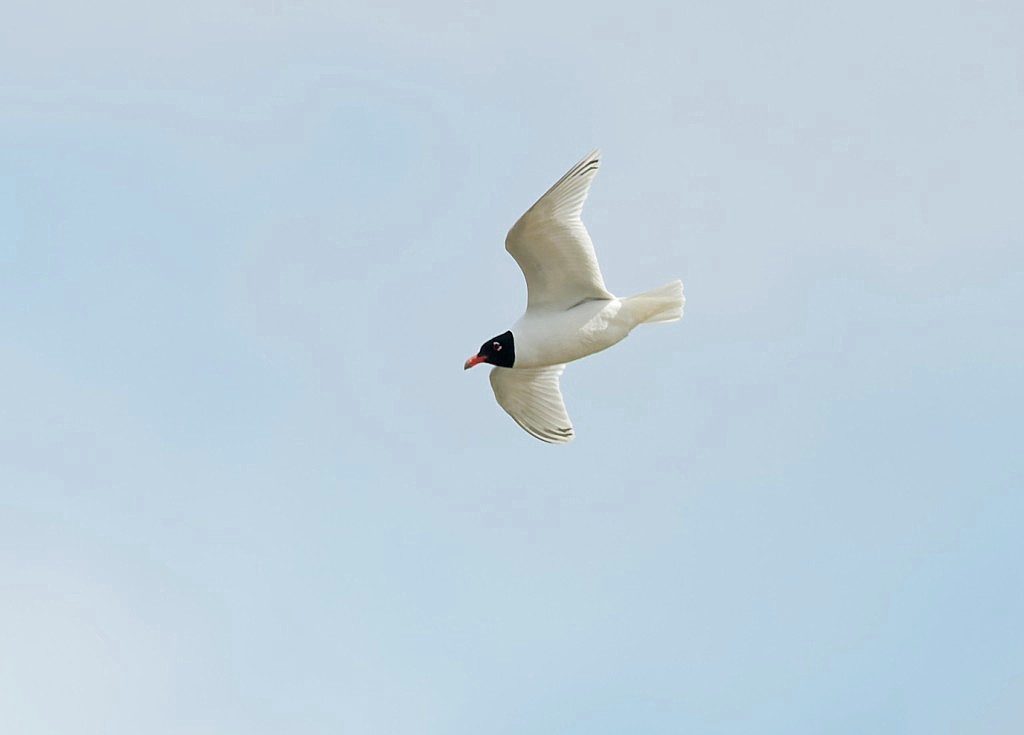
2026-04-12
Photo of a 2nd-summer Mediterranean Gull Cheers David
Submitted by: David Bowman
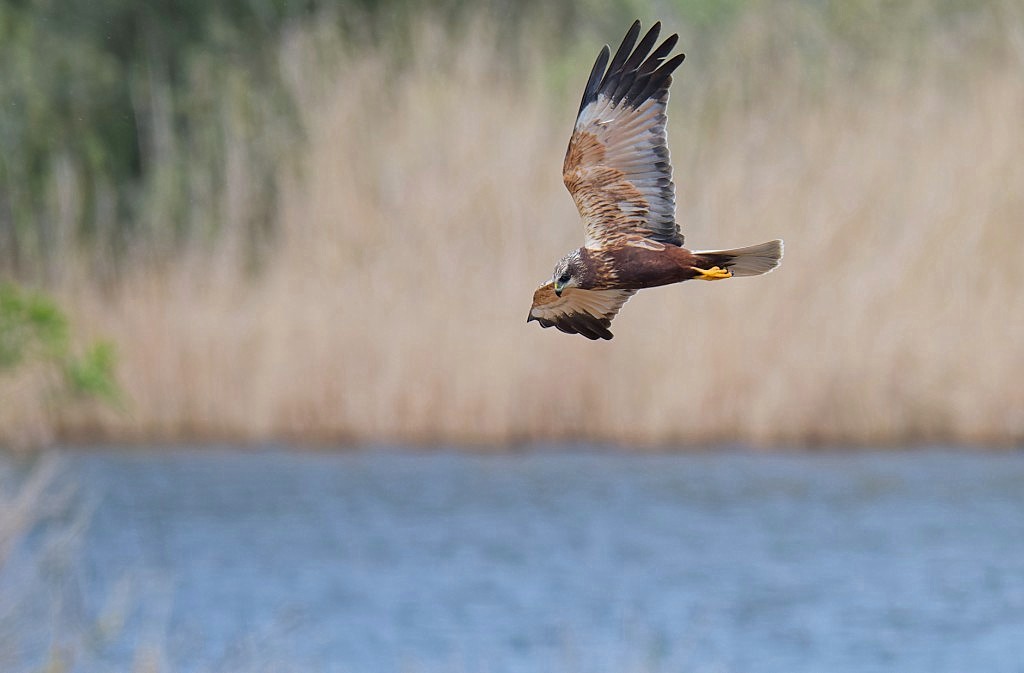
2026-04-12
Photo of a male Marsh Harrier Cheers David
Submitted by: David Bowman
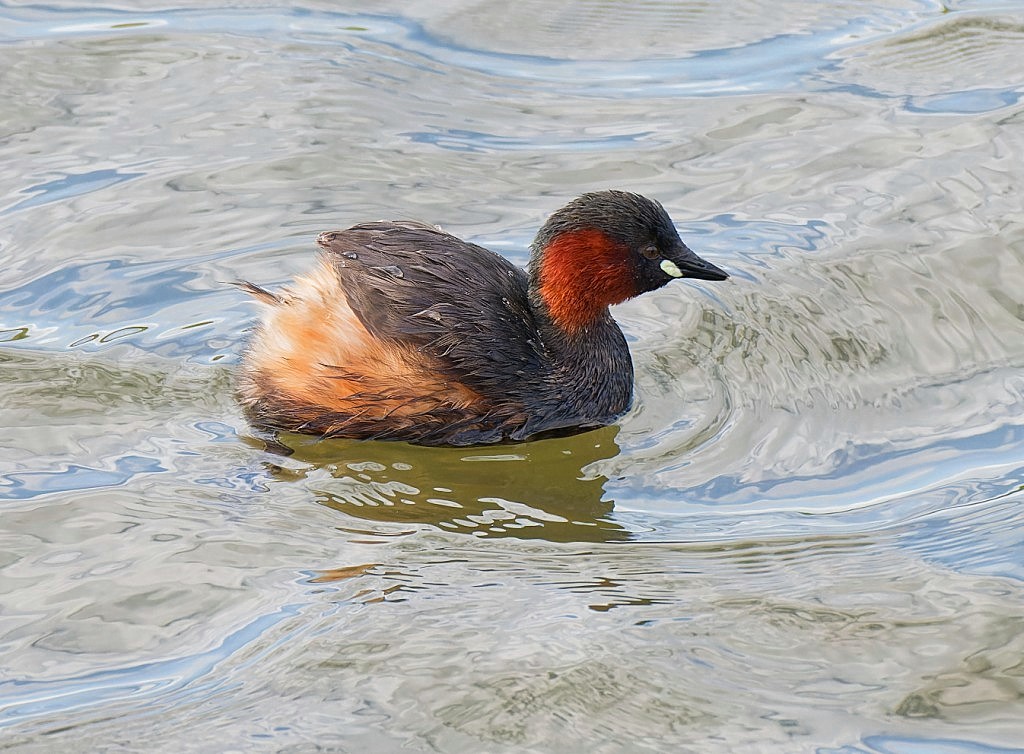
2026-04-12
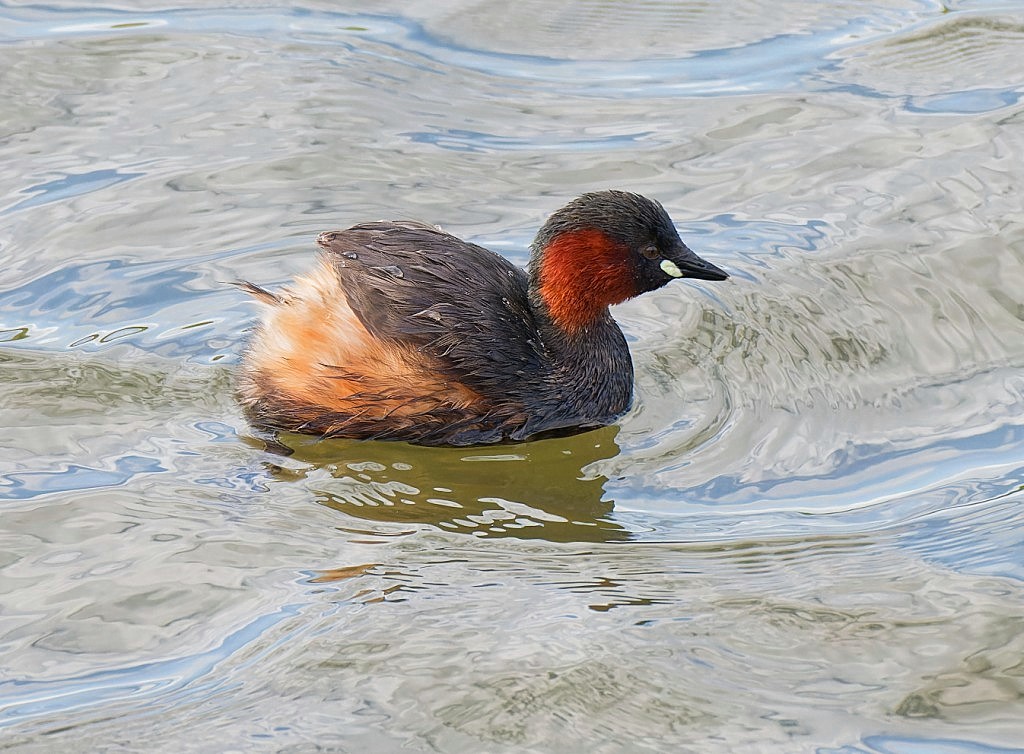
Photo of a Little Grebe Cheers David
Submitted by: David Bowman
2026-04-12
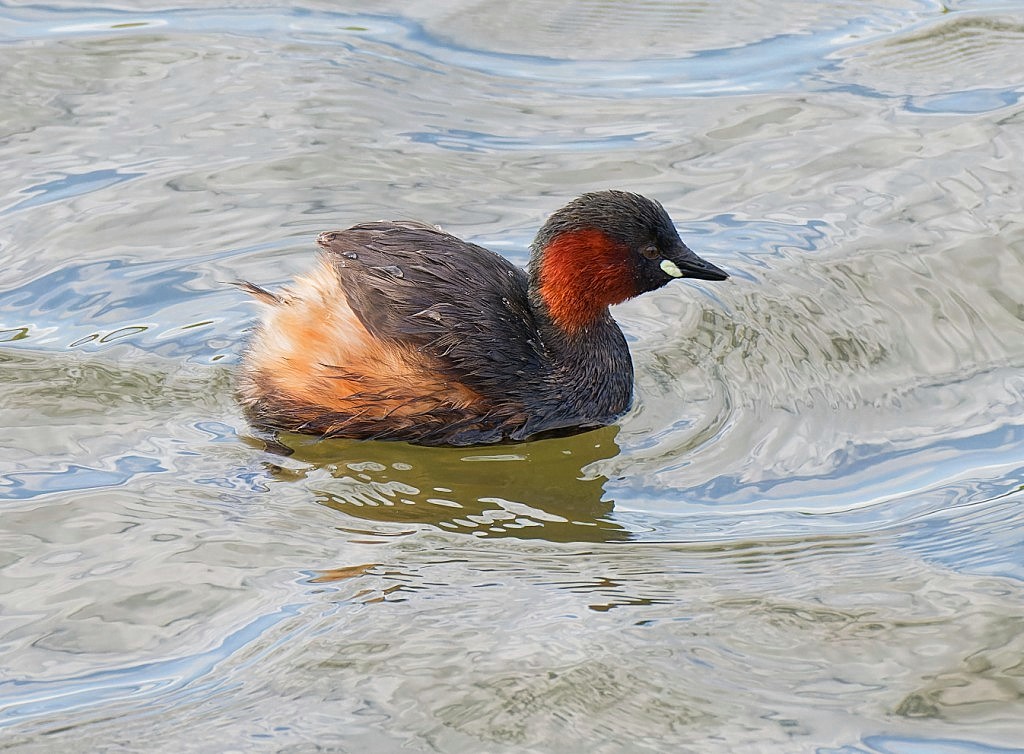
Photo of a Little Grebe Cheers David
Submitted by: David Bowman
2026-04-12
Photo of a Little Grebe Cheers David
Submitted by: David Bowman
2026-04-12
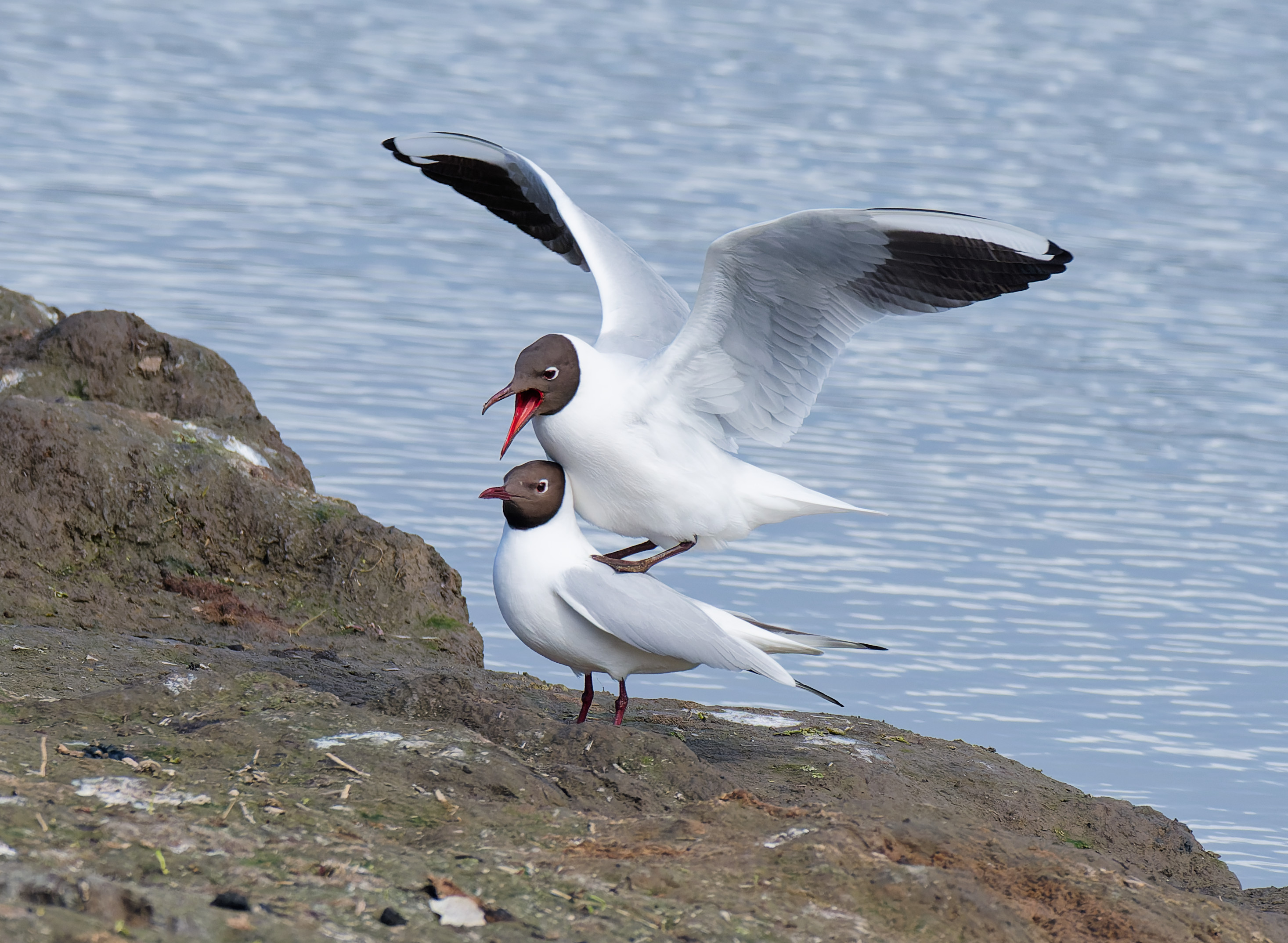
With a cool, blustery south-westerly blowing yesterday morning we were hopeful of a tern, Kittiwake or Little Gull arriving on No.4 bed. In the event we were unlucky, though No.3 bed did produce a Common Tern on Friday and and a Sandwich Tern today (Sunday). Migrants noted included Common Sandpiper, Little Ringed Plover, 2 Black-tailed Godwits, 16 House Martins, 8 Swallows and 350 Sand Martins. At least 45 Black-necked Grebes were still present and the four Marsh Harriers included a displaying pair, which are a daily feature at the moment. Two displaying pairs of Sparrowhawks were indicative of breeding on the Reserve, though the 6 Snipe will soon have moved on as its getting to be a long, long time since we could expect to hear the evocative sound of drumming Snipe on warm spring and summer evenings. Then, with the cloud cover breaking up, we moved onto No.3 bed where we were treated to three Mediterranean Gulls, along with few more of all three hirundines. Photo of mating Black-headed Gulls Cheers David Bowman (with Dan Owen and Brian Baird)
Submitted by: David Bowman
2026-04-09
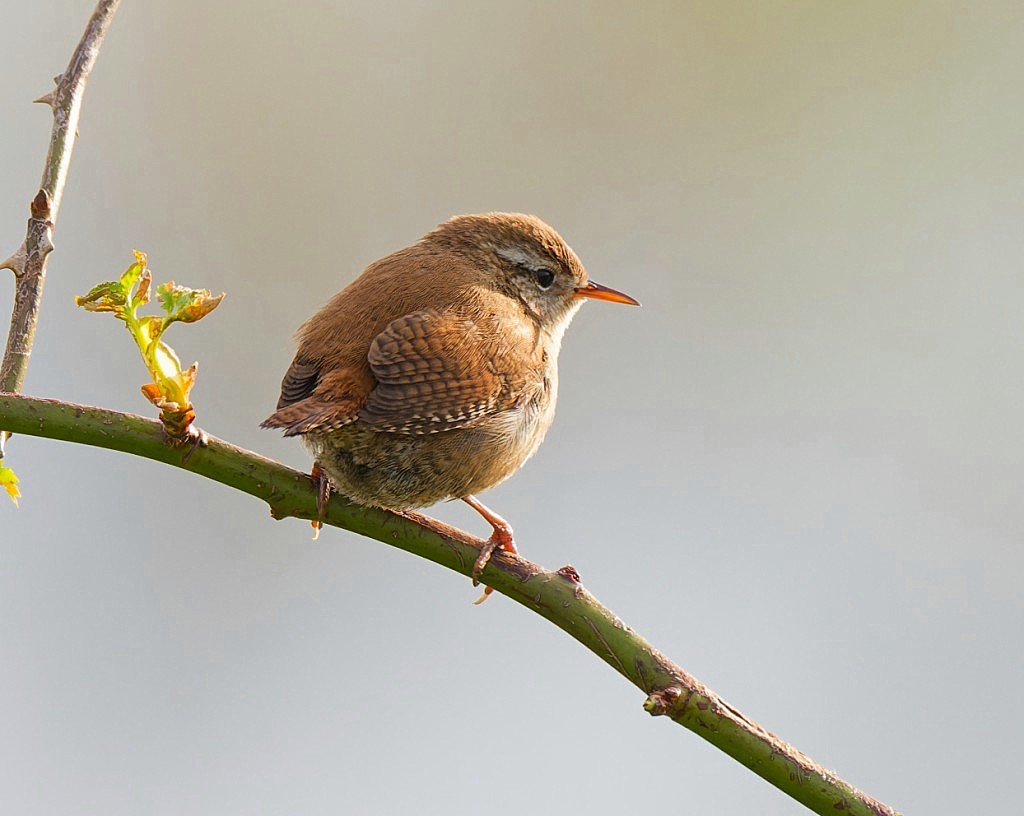
Photo of a Wren Cheers David
Submitted by: David Bowman
2026-04-09
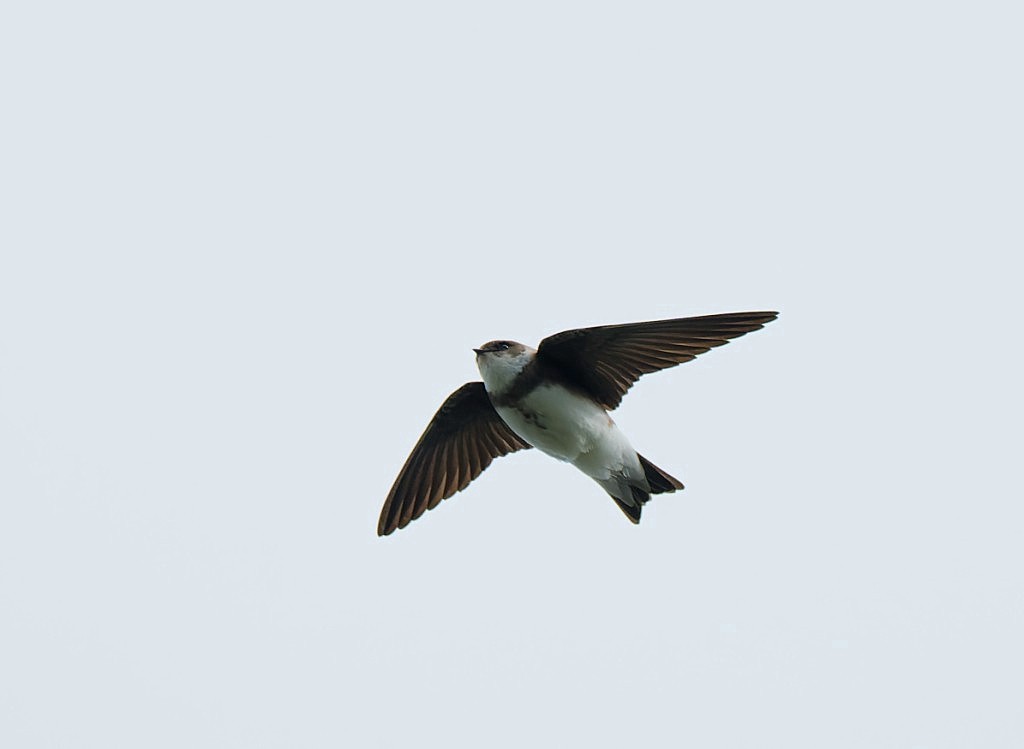
Although it was overcast with a cool westerly this morning, we reaped the benefits of the warm southerlies which had dominated the previous few days. After sightings of Merlin and Goshawk earlier in the week it was good to receive a report of an Osprey fishing in the Mersey by No.1 bed yesterday. It was soon evident, on No.4 bed this morning, that there had been a large influx of summer migrants. Counts included: 1 Yellow Wagtail, 1 House Martin, 1 Green Sandpiper, 2 Mediterranean Gulls, 2 Little Ringed Plovers, 3 Swallows, 2 Sedge Warblers, 8 Whitethroats, 4 Reed Warblers, 19 Willow Warblers, 91 Blackcaps, 102 Chiffchaffs, 600 Sand Martins, 30 Cetti’s Warblers and 2 Egyptian Geese. In addition, at least 35 Black-necked Grebes were counted and the four Marsh Harriers present included a displaying pair and a green colour-ringed male. As we were unable to read the ring number, he latter could have been one of the young previously fledged on the Reserve, or could have come from one of the other sites in Cheshire and Wirral which participate in the Marsh Harrier colour-ringing project. Photo of a Sand Martin Cheers David Bowman (with Dan Owen)
Submitted by: David Bowman
2026-04-05
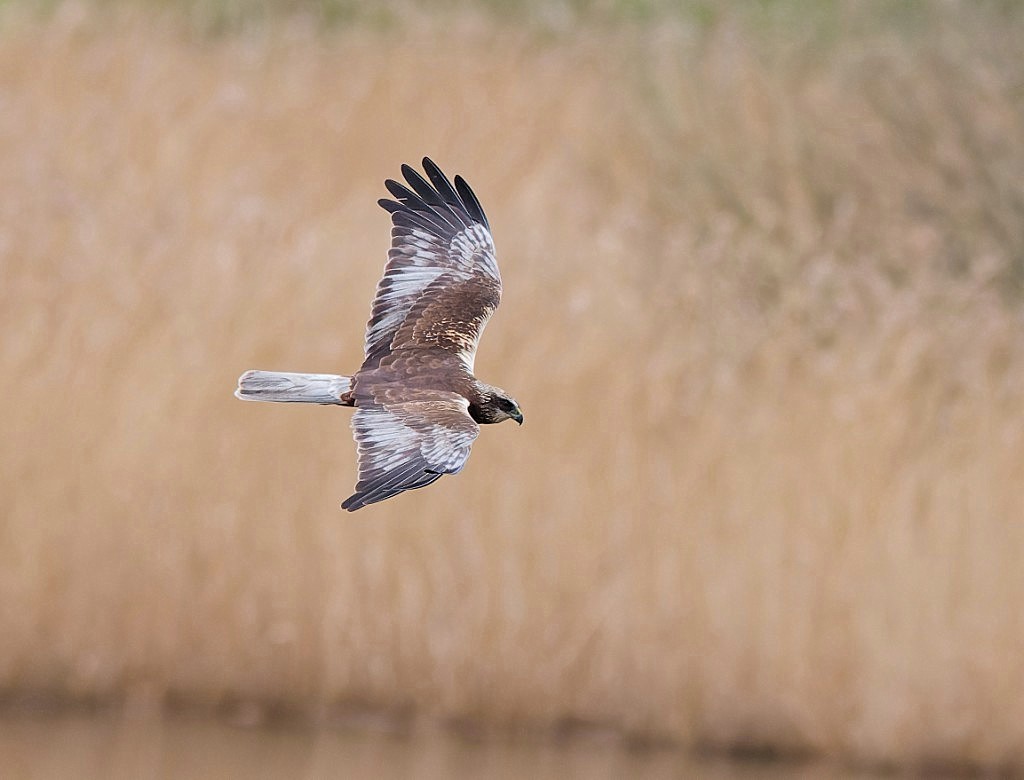
It’s been a good week for raptor sightings, with two scarce visitors recorded, alongside good counts of our commoner residents. On Wednesday Dave Riley watched a Goshawk fly through No.1 bed, while Saturday saw a Merlin flying east from No.4 bed. Both species have estimated UK breeding populations in excess of 1,000 pairs, with the Goshawk population steadily expanding. While we see the odd Merlin most years, Goshawks are much scarcer as they are a more sedentary species, with juveniles tending to establish territories close to their natal areas. In contrast, Merlins are more migratory, often moving from breeding grounds on upland moorlands to winter in coastal areas. In addition, Merlins from Iceland often move to winter in the UK. In terms of our resident species, three or four Marsh Harriers are a daily presence, while warm weather regularly sees Sparrowhawks displaying over all four beds, with over 20 Buzzards soaring around the perimeter of the Reserve and the odd Kestrel again on all four beds. Other sightings from Saturday included: 2 Swallows, 50 Sand Martins, 40 Black-necked Grebes, 1 Little RingedPlover, 1 Egyptian Goose and 3 Goosanders. Photo of a male Marsh Harrier Cheers David Bowman (with Dan Owen)
Submitted by: David Bowman
2026-04-03
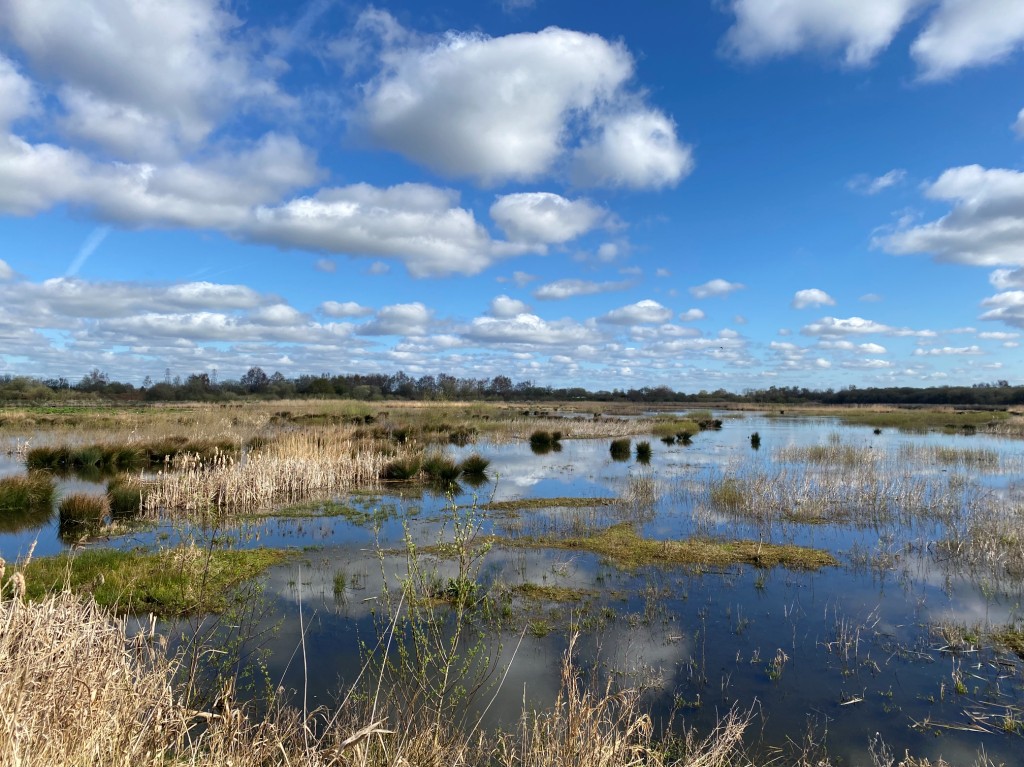
Photo looking east over No.4 bed Cheers David
Submitted by: David Bowman
2026-04-03
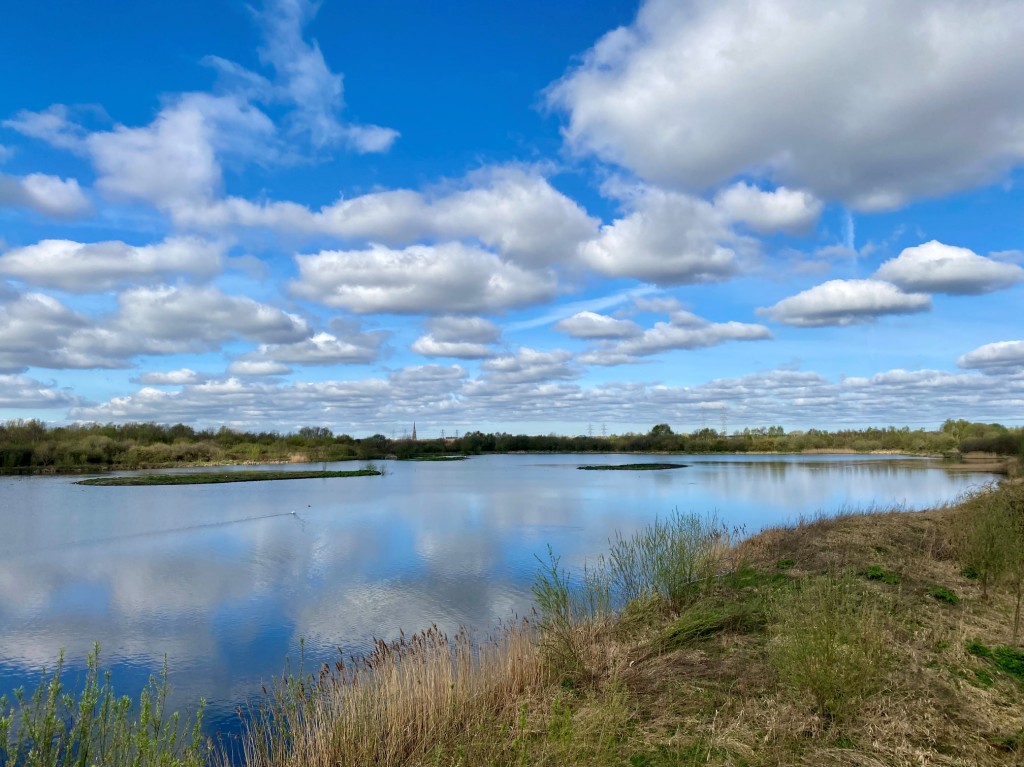
Photo looking NW over No.4 bed Cheers David
Submitted by: David Bowman
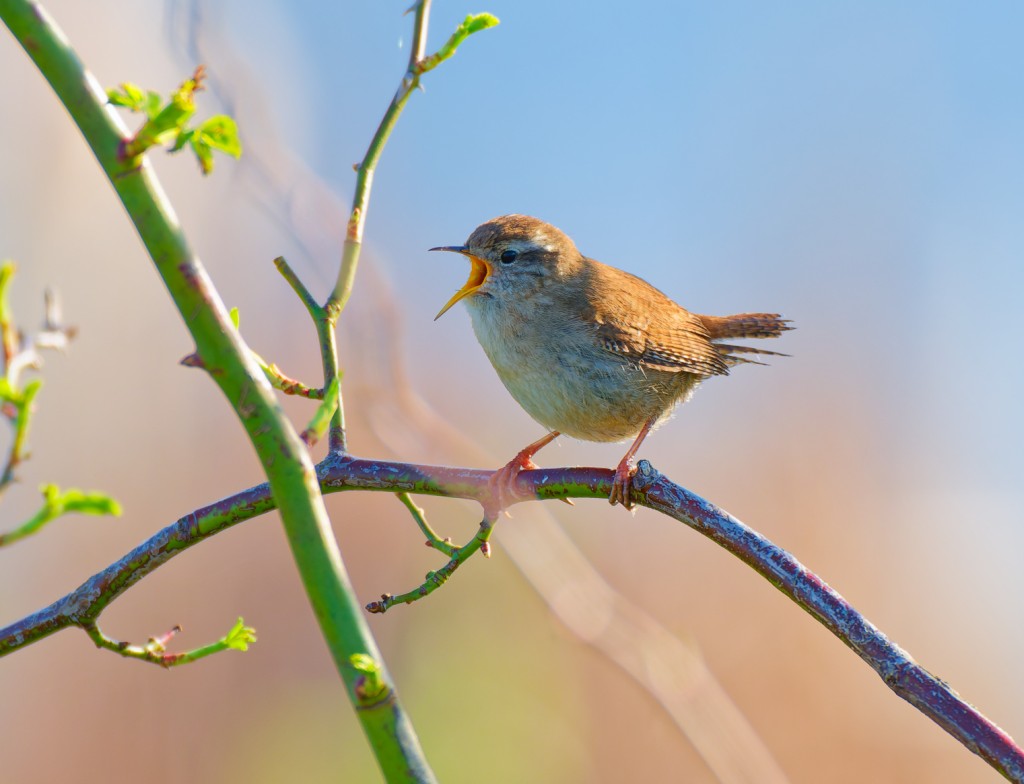
2026-04-03
Photo of a singing Wren Cheers David
Submitted by: David Bowman
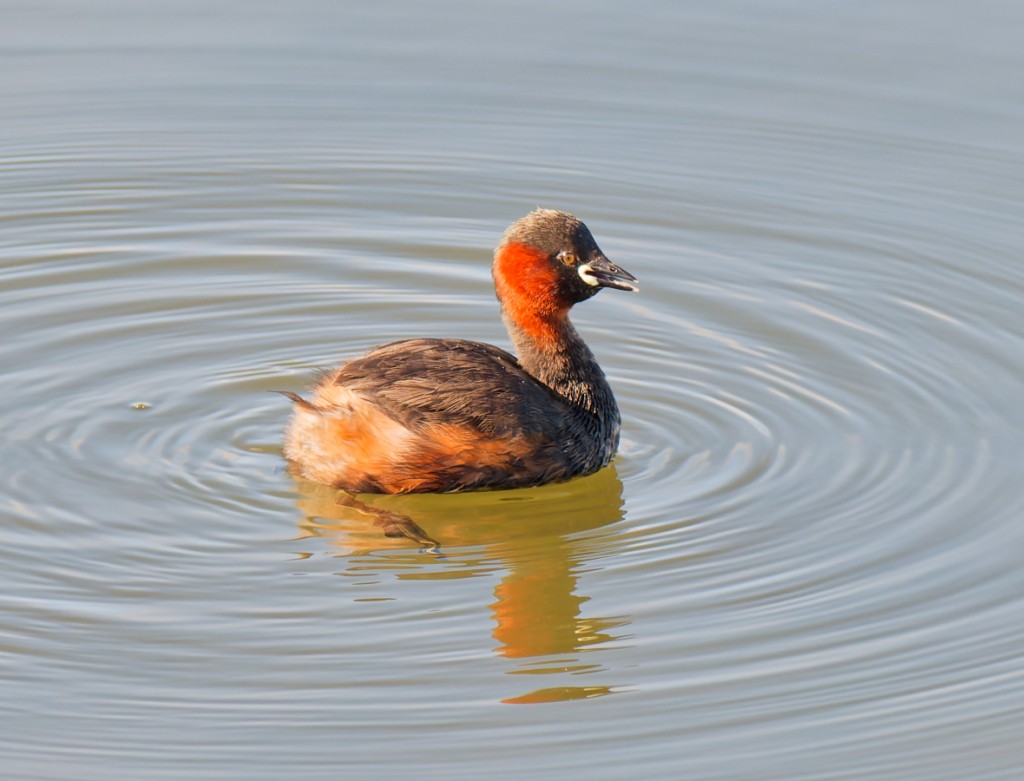
2026-04-03
Photo of a Little Grebe Cheers David
Submitted by: David Bowman
2026-04-03
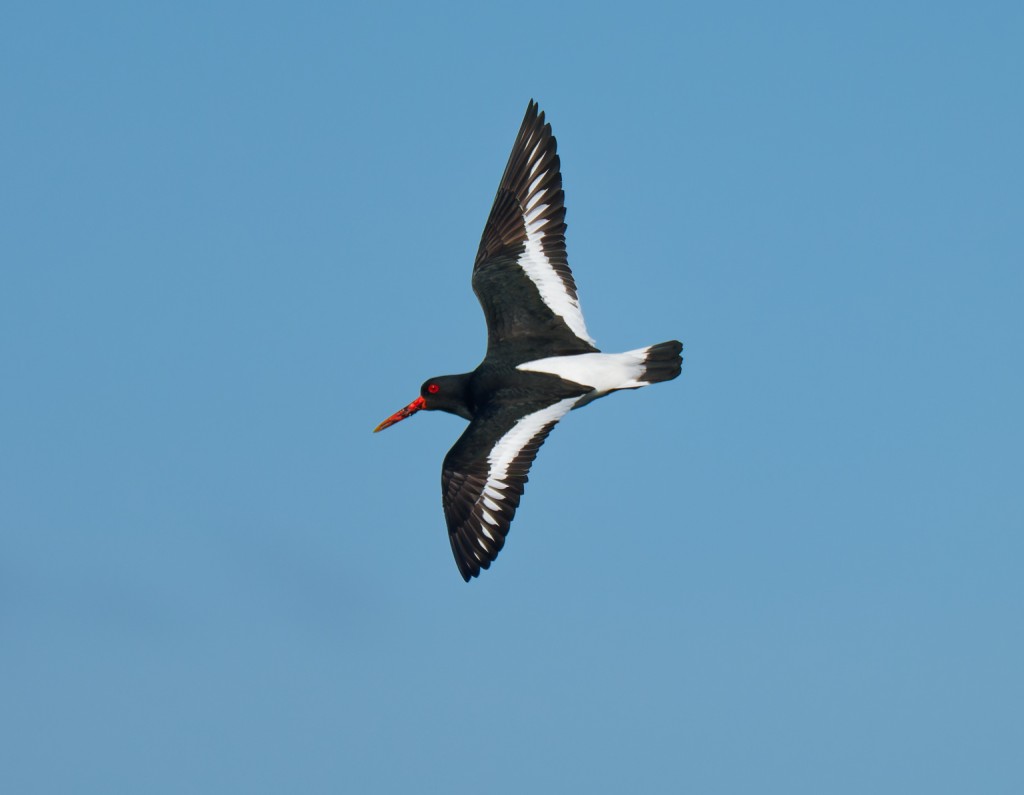
A bit of variety this week, with the annual Woolston Eyes jaunt to Wales to look for lekking Black Grouse and displaying Goshawks on Wednesday, followed by a session looking for visible migration on No.4 bed the following day. We were fortunate with Wednesday’s weather, in that it was dry though cold and overcast. Eight male Black Grouse were at the usual lekking site and it’s always evocative to hear the males giving their distinctive bubbling call as they duel with each other for dominance. Other sightings at the lek included our first Wheatear of the year, plus Red Grouse and Ravens. Then it was over to Llyn Brenig to search for Goshawks. The nearby Clocaenog Forest is a hot-spot for breeding Goshawks and we were quickly treated to very close views of a large female, perched at the side of a forestry track, followed by more distant views of a hunting bird. Thursday’s session on No.4 bed brought warmer weather and counts included: 1 Little Ringed Plover, 1 Willow Warbler, 3 Swallows, 10 Blackcaps, 220 Sand Martins, 40 Black-necked Grebes, 2 feral Barnacle Geese and 4 Oystercatchers. Photo of an Oystercatcher Cheers David Bowman (with Dan Owen, Dave Steel and John Ireland)
Submitted by: David Bowman