
Woolston Eyes Nature Reserve
An S.S.S.I. Managed by Woolston Eyes Conservation Group
Woolston Eyes Monthly Sightings
2026-03-26
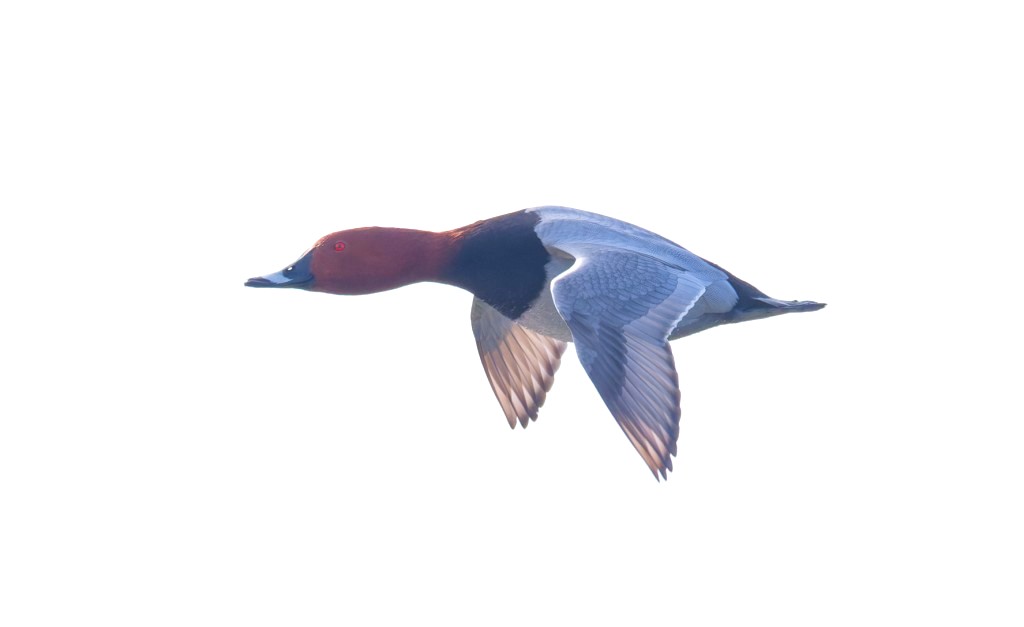
Photo of a drake Pochard in flight Cheers David
Submitted by: David Bowman

2026-03-26
Photo of the view to the west of the No.4 bed viewing platform Cheers David
Submitted by: David Bowman
2026-03-26
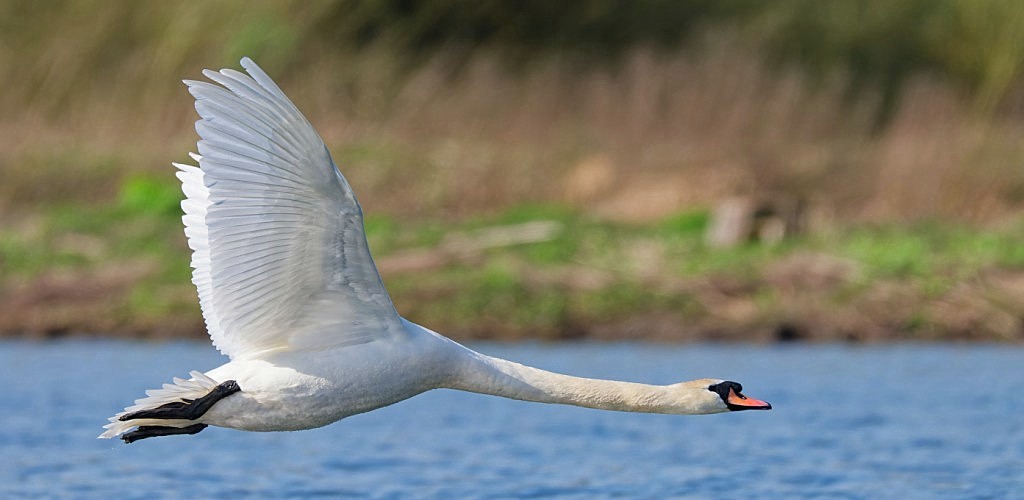
Photo of a Mute Swan in flight Cheers David
Submitted by: David Bowman
2026-03-26
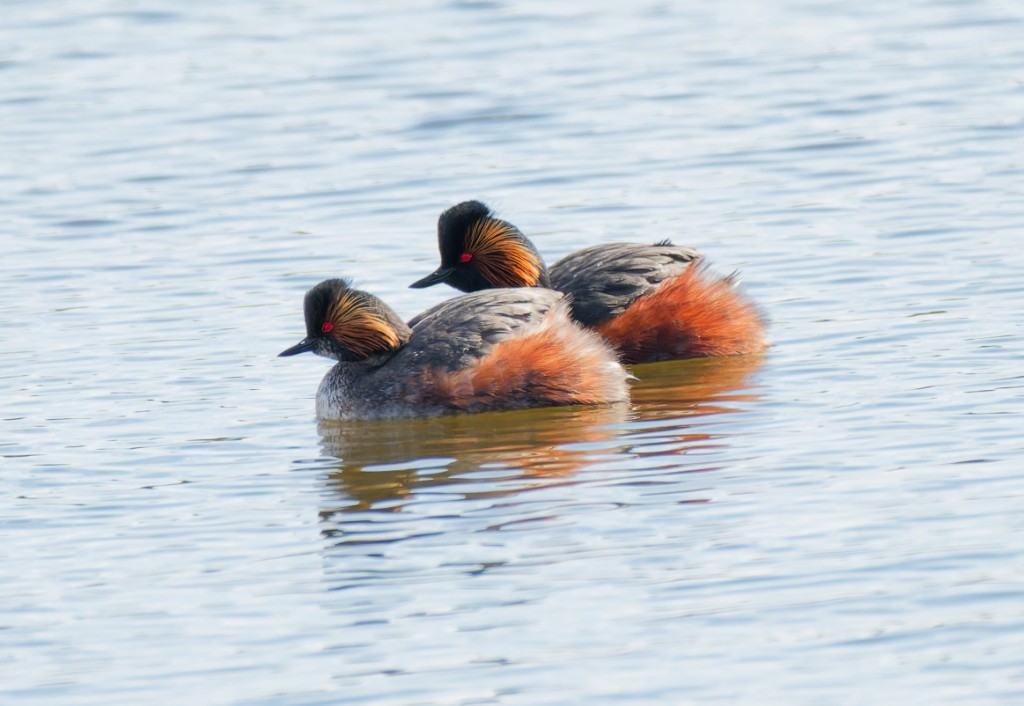
After Wednesday’s atrocious weather it was nice to arrive to clear skies and a light frost, even though the light north-westerly breeze was surprisingly cool early on. We spent most of the morning scanning for migrants from the No.4 bed viewing platform and finished with a systematic count of Black-necked Grebes. We managed to find 40, which is somewhat down from Tuesday’s 57. This is typical at this time of year as, after first arrival, grebes often wander round checking other local waters before finally returning to settle down and nest. Other sightings of note included: our first Willow Warbler of the spring, 2 Swallows, 3 Mediterranean Gulls, 1 Egyptian Goose, 1 Redshank, 120 Sand Martins, 5 Oystercatchers and 8 Snipe. Unfortunately, numbers at our Black-headed Gull colony have recently dropped to around 100, from 300+ earlier in the month which is concerning. Black-necked Grebes have a strong breeding association with Black-headed Gull colonies, as the latter provides a ‘protective umbrella’ against predators such as Mink. Hopefully there is still time for more to arrive - we’ll see. Photo of a pair of Black-necked Grebes Cheers David Bowman (with Dan Owen)
Submitted by: David Bowman
2026-03-24
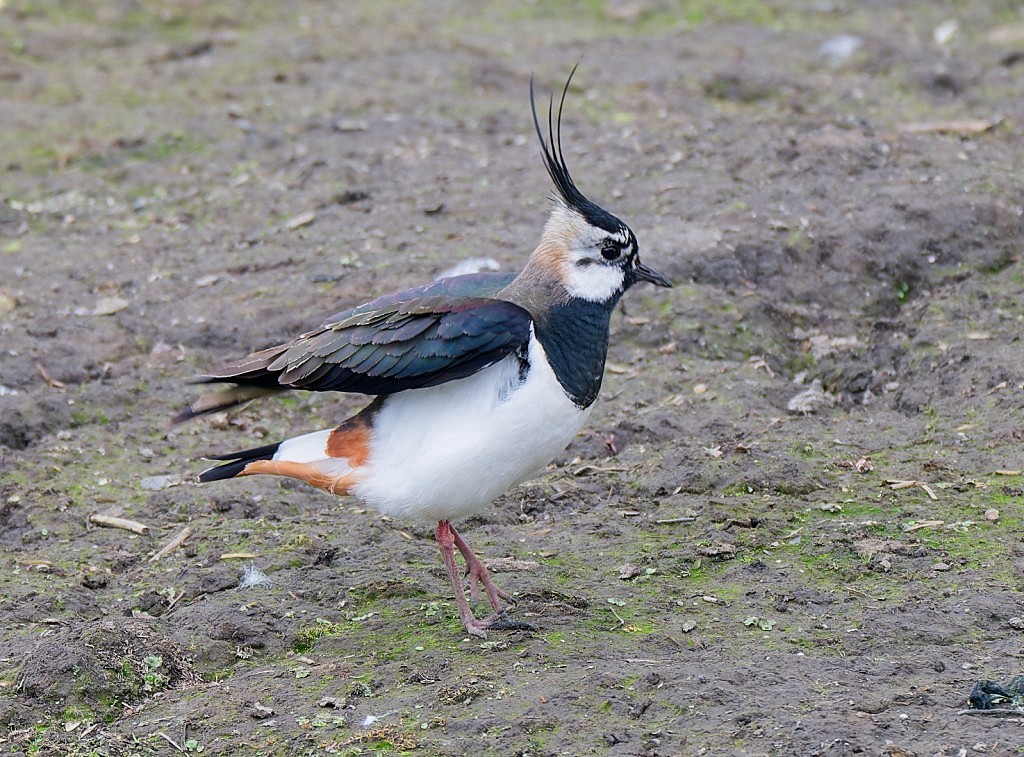
Photo of a Lapwing
Cheers David
Submitted by: David Bowman
2026-03-24
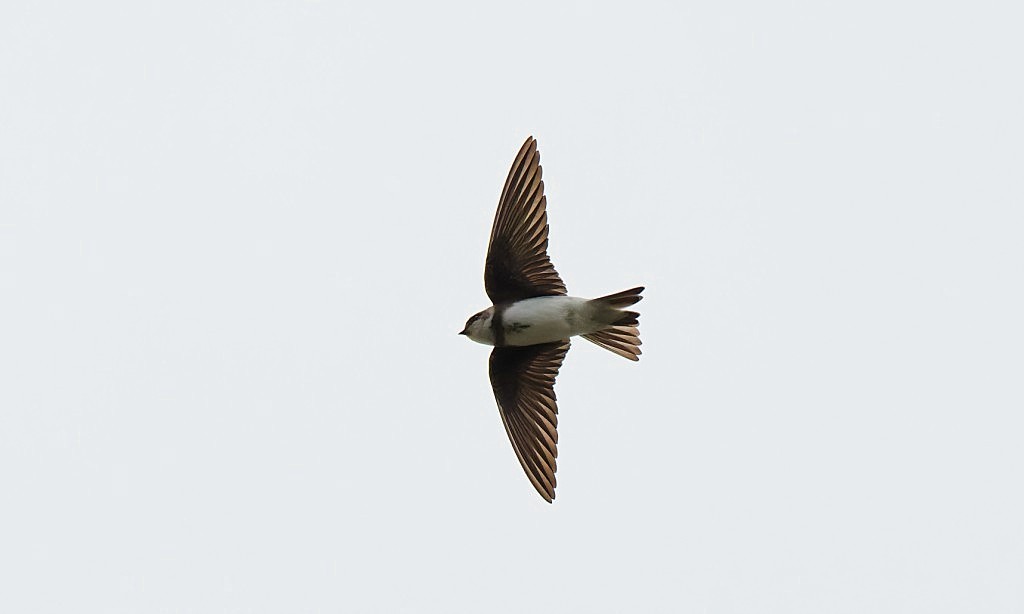
It’s been a changeable week, warm and sunny for Saturday’s Wetland Birds Survey (WeBS) and then turning cool, overcast and blustery today. The WeBS count totalled 2,126 water-birds of 33 species, with highlights of: 1 Greater Scaup, 2 Mandarins, 3 Little Ringed Plovers, 61 Black-necked Grebes, 67 Little Grebes, 35 Great Crested Grebes, 23 Water Rails, 8 Kingfishers, and 75 Pochard. This morning’s gusting south-westerlies produced a nice movement of Sand Martins, with at least 380 counted, pus a couple of Curlews and seven Black-tailed Godwits. There are at least five Marsh Harriers regularly present and we are hopeful that we’ll get a second breeding pair this year, to join the pair which has been nesting for the past five years. It was also good to record a hunting Peregrine this morning as, since losing the pair which had bred on the Reserve for over a decade, they have become a relatively scarce visitor. Photo of a Sand Martin Cheers David Bowman (with Dan Owen)
Submitted by: David Bowman
2026-03-18
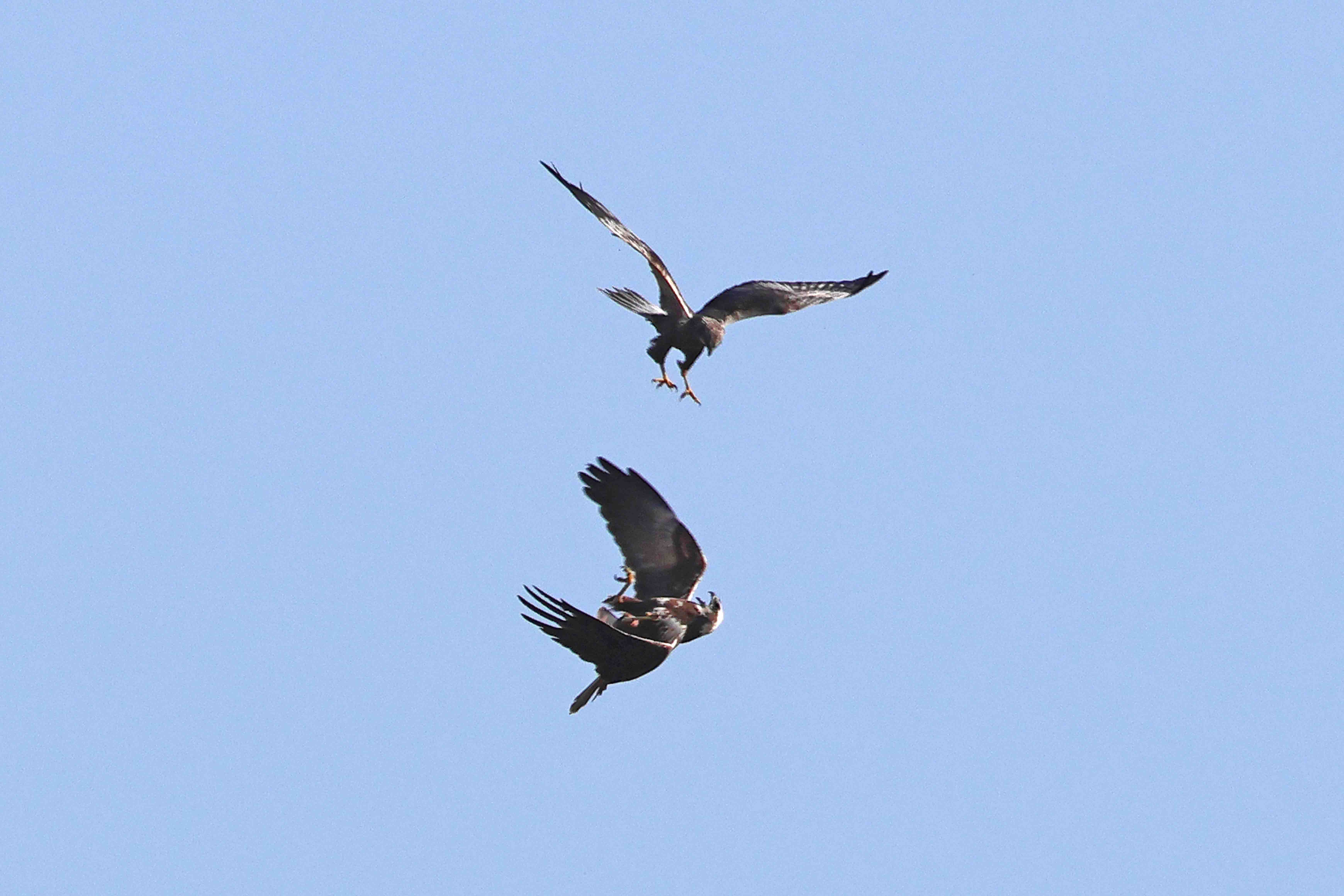
A Warm sunny morning and the birds were singing everywhere a few butterflies and my first Dark edged Bee-fly of the year. The Marsh Harrier pair were busy displaying and collecting Nesting Material, lapwings also showing off their aerial acrobatics Photo of The Harriers Skydancing keith Gallie
Submitted by: Keith Gallie
2026-03-14
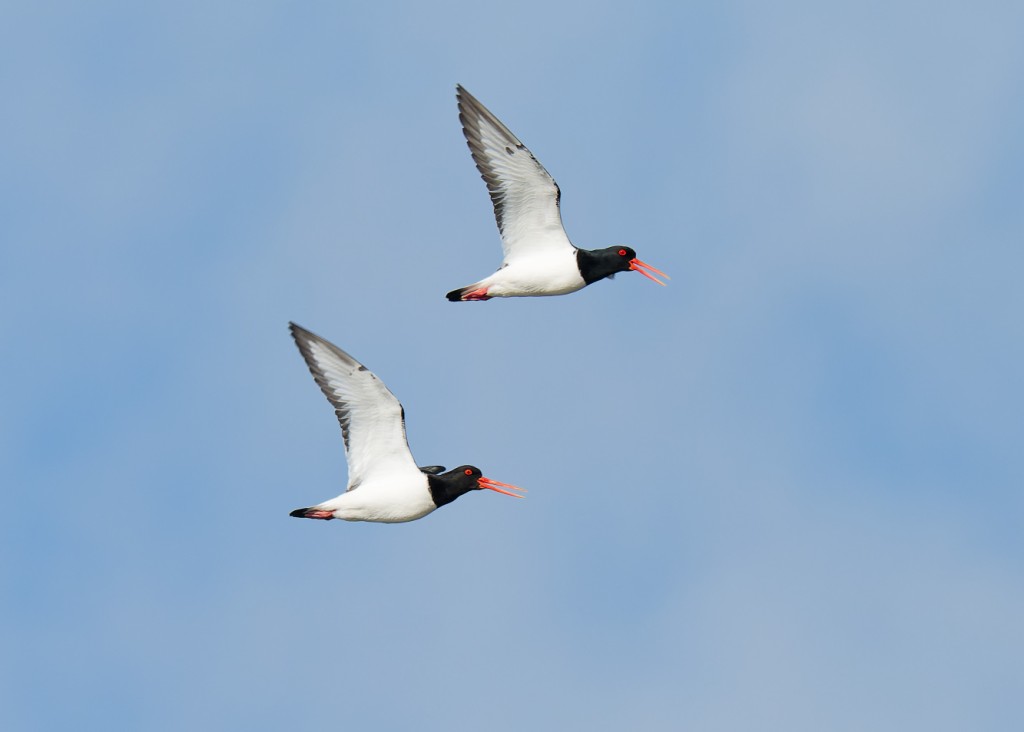
Photo of a pair of Oystercatchers Cheers David
Submitted by: David Bowman
2026-03-14
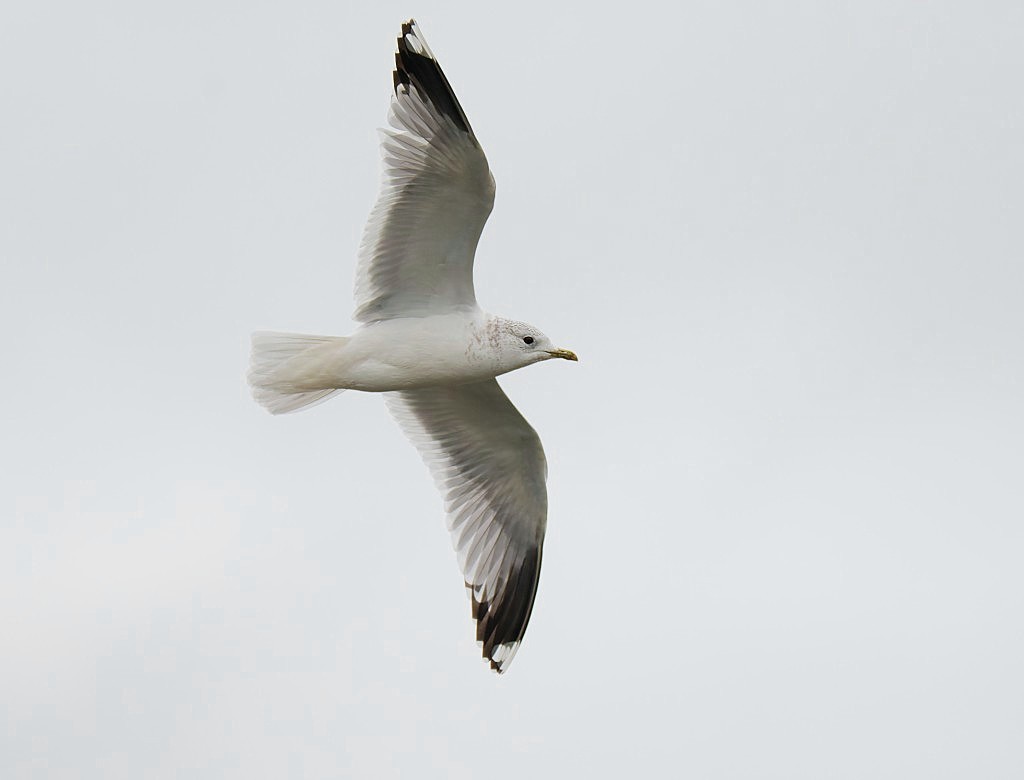
Photo of a Common Gull Cheers David
Submitted by: David Bowman

2026-03-14
Photo of a Shelduck Cheers David
Submitted by: David Bowman

2026-03-14
Photo of a Jackdaw Cheers David
Submitted by: David Bowman
2026-03-14
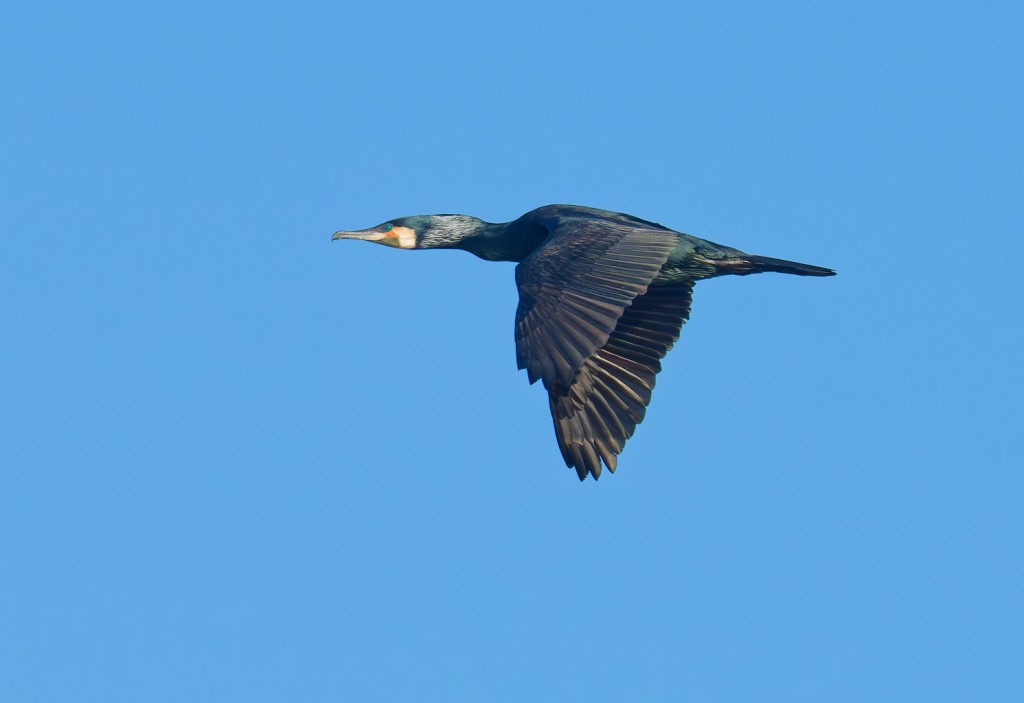
Photo of a Cormorant. Cheers David
Submitted by: David Bowman
2026-03-14
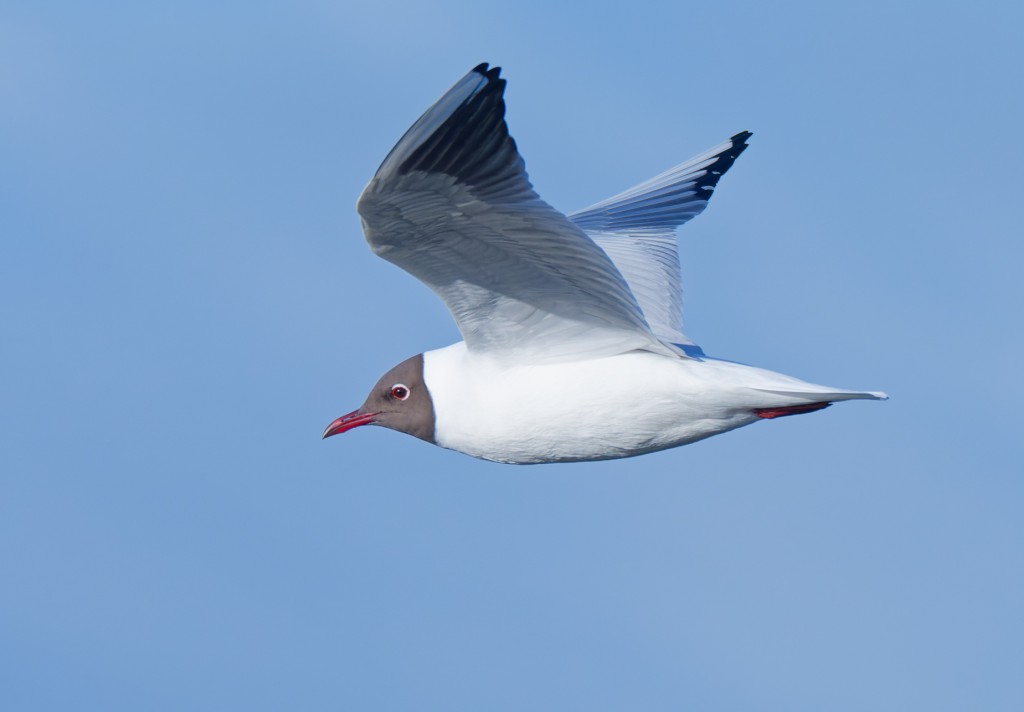
Photo of a Black-headed Gull Cheers David
Submitted by: David Bowman

2026-03-14
It was a perfect early spring morning at Woolston Eyes today. Waking to a hard frost and blue skies with a sprinkling of cumulus clouds we arrived early on No.4 bed, optimistic about seeing some new spring migrants either arriving or passing through. It took a while, though, and we spent the first couple of hours getting a handle on our Black-necked Grebe numbers, finally finding all 30 which had been present earlier in the week. Also on the bed were the long-staying female Great Scaup and 8 Goldeneyes, along with good numbers of commoner wildfowl. Then, at 10.00 am there was a flurry of activity, with 140 Sand Martins arriving and then pushing on northwards into the prevailing breeze. As the day warmed, at least 20 Common Buzzards were soaring around the Reserve, with one of our resident female Marsh Harriers joining them. Then it was over to No.3 bed, where the highlight was the Little Ringed Plover which sped past the Morgan Hide, heading towards No.4 bed. As an aside, we were shown a photo of a seal which has recently been seen on the River Mersey, inside the Reserve’s recording area. It had been identified as a young Grey Seal but the photo was clearly of a Common or Harbour Seal, which we think is a first record for the Reserve, unlike Grey Seals which are periodic visitors when high tides carry them over Howley Weir. Photo of a male Marsh Harrier Cheers David Bowman (with Dan Owen, Helen Wynn and Brian Baird)
Submitted by: David Bowman
2026-03-11
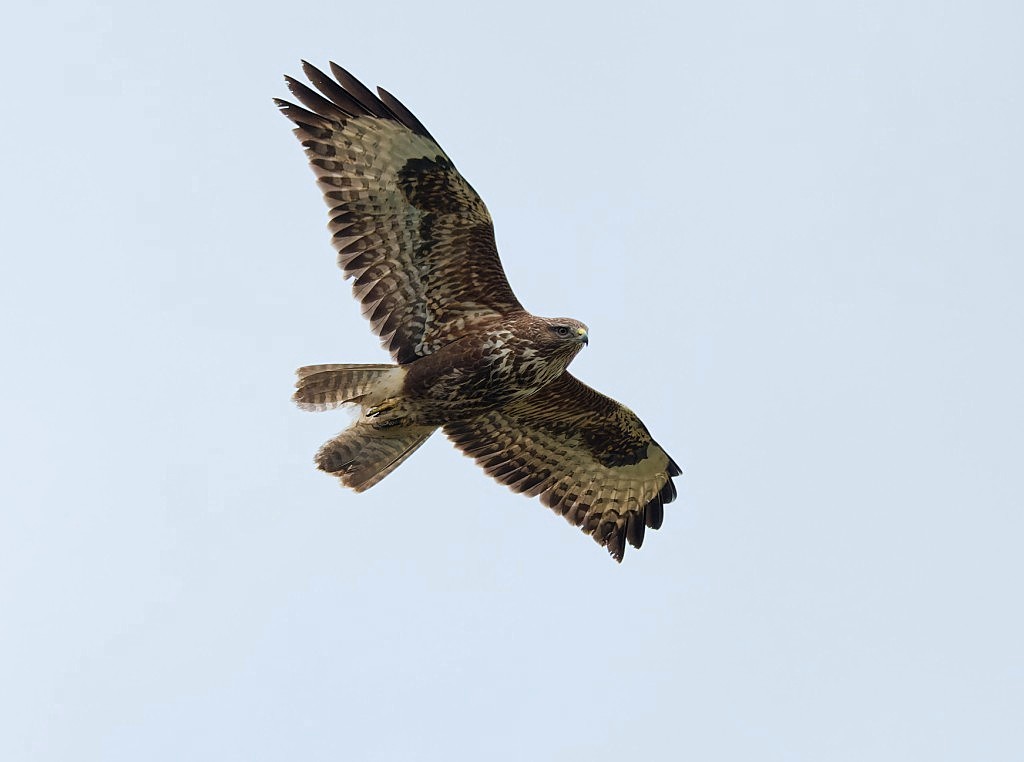
March is an interesting cross-over time, with wintering species lingering, or passing through to their northerly breeding grounds and a sprinkling of summer migrants arriving from further south. On No.4 bed the former included the female Greater Scaup, which has been with us for several weeks, a single Whooper Swan which flew through, heading north-west and a Jack Snipe which fluttered past the viewing platform. Summer visitors were represented by a lone Swallow, 15 Black-necked Grebes which are now prospecting for nests on the east cell, 10 Sand Martins a good number of Chiffchaffs. Harder to categorise were the 17 Water Rails located during a full survey of the bed. At this time of year they are likely to be a mix of our resident breeding birds alongside winter visitors from Northern Europe. Further surveys of the whole Reserve, later in the spring, will enable us to get a handle on our breeding numbers of this uncommon and elusive reed-bed specialist, which has an estimated UK breeding population of just 1,500-4,000 pairs. Photo of a Buzzard Cheers David Bowman (with Dan Owen
Submitted by: David Bowman

2026-03-07
The warm spring weather from earlier in the week has disappeared over the past couple of days, with a surprisingly cold southerly breeze early this morning. We started on No.3 bed, where we struggled to find any Black-necked Grebes till a winter-plumage bird came out of the reeds after a couple of hours. The flock of 23 Wigeon was a nice surprise, as they are pretty uncommon on the Reserve. As ever, a couple of Marsh Harriers were actively hunting, while 17 Common Snipe were feeding in the cut reed edge in front of the Morgan Hide and a single male Stonechat also showed briefly. Surprisingly, given the wind direction, just two Sand Martins passed through. Then it was over to No.4 bed, where diligent scanning from the viewing platform turned up 13 Black-necked Grebes, including four still in winter plumage. The arrival of Wigeon continued when 16 more dropped in from the north-west, giving an excellent total of 39. Photo of an Oystercatcher Cheers David Bowman (with Helen Wynn and Brian Baird)
Submitted by: David Bowman