
Woolston Eyes Nature Reserve
An S.S.S.I. Managed by Woolston Eyes Conservation Group
Woolston Eyes Monthly Sightings

2025-12-16
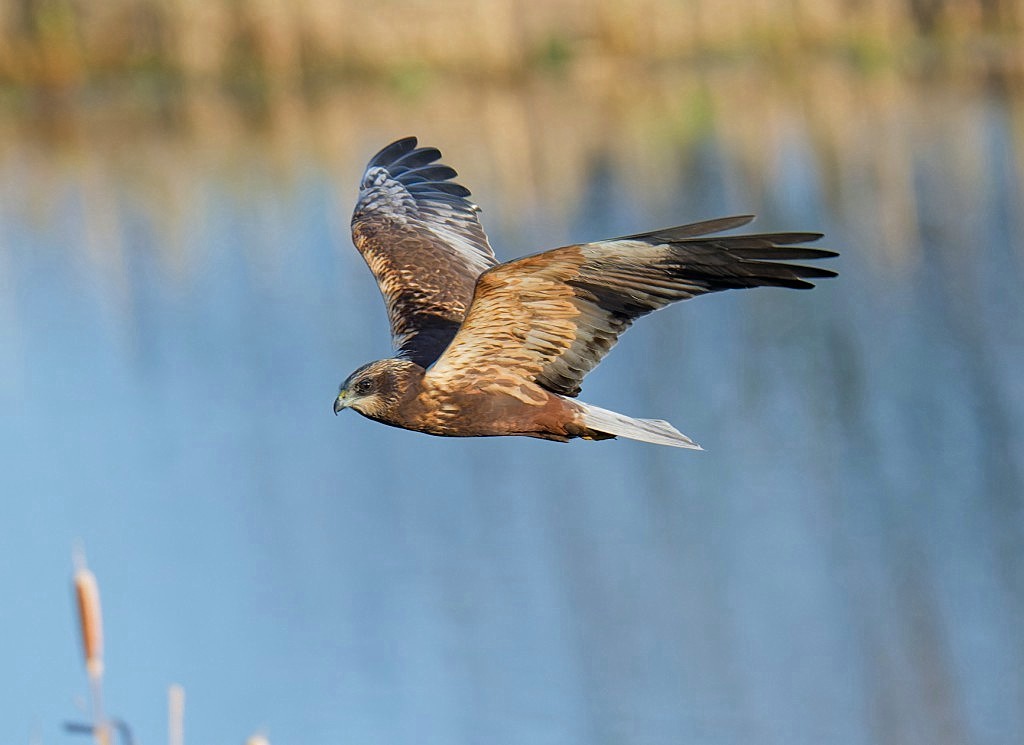
There was 2 Male Marsh Harriers back and forth over the reed beds on Number 3 bed at one point a large group of teal were flushed then I noticed a few snipe flying towards the scrape in front of the Morgan hide on landing I counted 11 then 4 of them flew off leaving 7 they seem quite settled and the sun came through making them look rather good, here’s a photo of some of them. Keith Gallie
Submitted by: Keith Gallie
2025-12-11
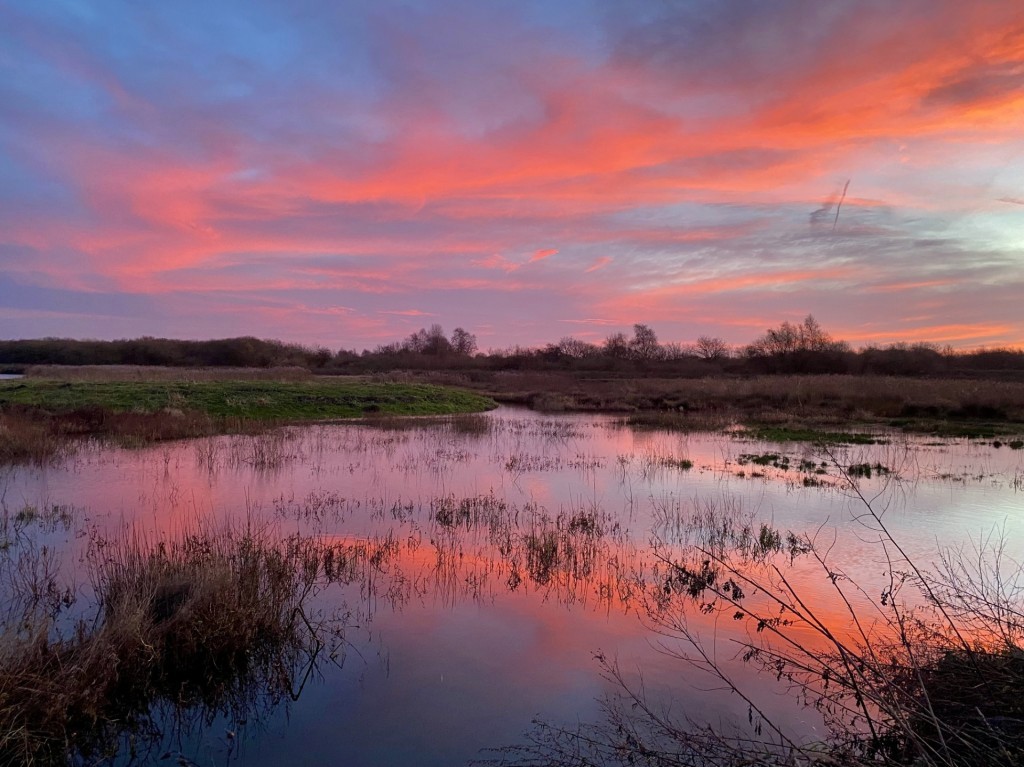
Photo of sunrise over the east cell of No.4 bed. Cheers David
Submitted by: David Bowman
2025-12-11
After so many wet and windy mornings recently it was good to walk onto No.4 bed this morning with clear skies and a fiery dawn. A Woodcock flushed from the track as I was walking on to check whether the small Starling roost which our warden, Eva Pyrah, had first noted a week or so ago, was still present. Looking out across the east cell of the wetland the presence of hunting Barn Owl, Sparrowhawk and Marsh Harrier in the vicinity of the roost site boded well, as such roosts inevitably attract the attention of a variety of aerial predators. Sure enough, as the sun rose an estimated 6,000 Starlings emerged with a rush and flew off to the south. Winter roosts in the UK are often swollen by the arrival of millions of birds from colder countries in north-east Europe. Back in 2015 No.3 bed held a roost which we estimated to hold around 500,000 birds - an unforgettable sight and you can see a video of that roost if you search my YouTube channel! With a bit of luck we might see a repeat of that, particularly if the continent experiences a harsh winter. Other sightings included around 1,000 Pink-footed Geese flying over plus small numbers of Redwing and Fieldfares drifting eastward. Photo of a male Marsh Harrier Cheers David Bowman
Submitted by: David Bowman